Bourbon is whiskey made in the United States from a mash of at least 51% corn, distilled to no more than 160 proof, and aged in new charred oak barrels that it enters at no more than 125 proof. Nothing but water can be added. On a Bardstown tour you’ll follow that recipe in order: grain cooked into mash, a few days of fermentation, one or two trips through a still, and years in a rickhouse, where the barrel supplies most of the color and flavor. That’s the whole trick, and it takes a lifetime to do well.
The legal definition, in plain English
Bourbon is one of the most tightly defined spirits in America. The federal Standards of Identity (27 CFR 5.143) set the rules:
| Rule | What it means in the glass |
|---|---|
| At least 51% corn | Corn’s sweetness leads; the rest is usually rye or wheat plus malted barley |
| Distilled at 160 proof or less | Keeps more grain flavor than high-proof neutral spirit |
| New charred oak barrels | Every bourbon barrel is used once, then sold on |
| Into the barrel at 125 proof or less | Caps how strong the spirit is when it first meets the wood |
| No coloring, flavoring or additives | All color comes from the barrel |
| Bottled at 80 proof or more | The standard floor for all whisky |
Two more terms show up on labels. Straight bourbon has spent at least two years in new charred oak, and any bourbon under four years old must say its age on the bottle. And “bourbon” is geographic only in one sense: Congress declared it “a distinctive product of the United States” in 1964, so it must be American, but it needn’t be Kentuckian. About 95% of it is, though.
One trap for label readers: “whisky distilled from bourbon mash” has the corn but was aged in used barrels, so it isn’t bourbon.
Step 1: the mash bill
Every bourbon starts with a recipe of grains called the mash bill. Corn has to be at least 51%. A “high-rye” bourbon adds spice with more rye; a “wheated” bourbon swaps rye for wheat for a softer profile. Maker’s Mark, just south of Bardstown in Loretto, is the famous wheated example: 70% corn, 16% red winter wheat and 14% malted barley, with no rye at all.
Some distilleries play with recipes more than others. Four Roses, whose bottling and warehouse site is at Cox’s Creek north of town, makes ten bourbon recipes by combining two mash bills with five yeast strains, according to Wikipedia.
Step 2: cooking
The grain is milled and cooked in water to release its starches, which malted barley’s enzymes then convert to sugar. Water matters here, and central Kentucky’s limestone water is part of the region’s pitch. Preservation Distillery draws from an on-site limestone well; you’ll hear about the water at nearly every stop.
On a tour, this is the loud, warm room with the big cookers. Lux Row, for example, runs two 4,000-gallon cookers.
Step 3: fermentation
The cooled mash goes into fermenters with yeast, which eats the sugar and makes alcohol and a lot of flavor. After a few days you have “distiller’s beer,” which smells like sour bread and tastes like it too. Many distilleries use the sour mash method, adding some spent mash from a previous run to keep each batch consistent.
Yeast is a closely guarded ingredient. The new Heaven Hill Springs Distillery propagates its own live yeast from Heaven Hill’s proprietary strain on site, according to Heaven Hill. If a guide lets you stick a finger in an open fermenter, do it; the bubbling surface is warm and alive.
Step 4: distillation
Distilling separates alcohol from the beer by heat. Bardstown shows off every kind of still:
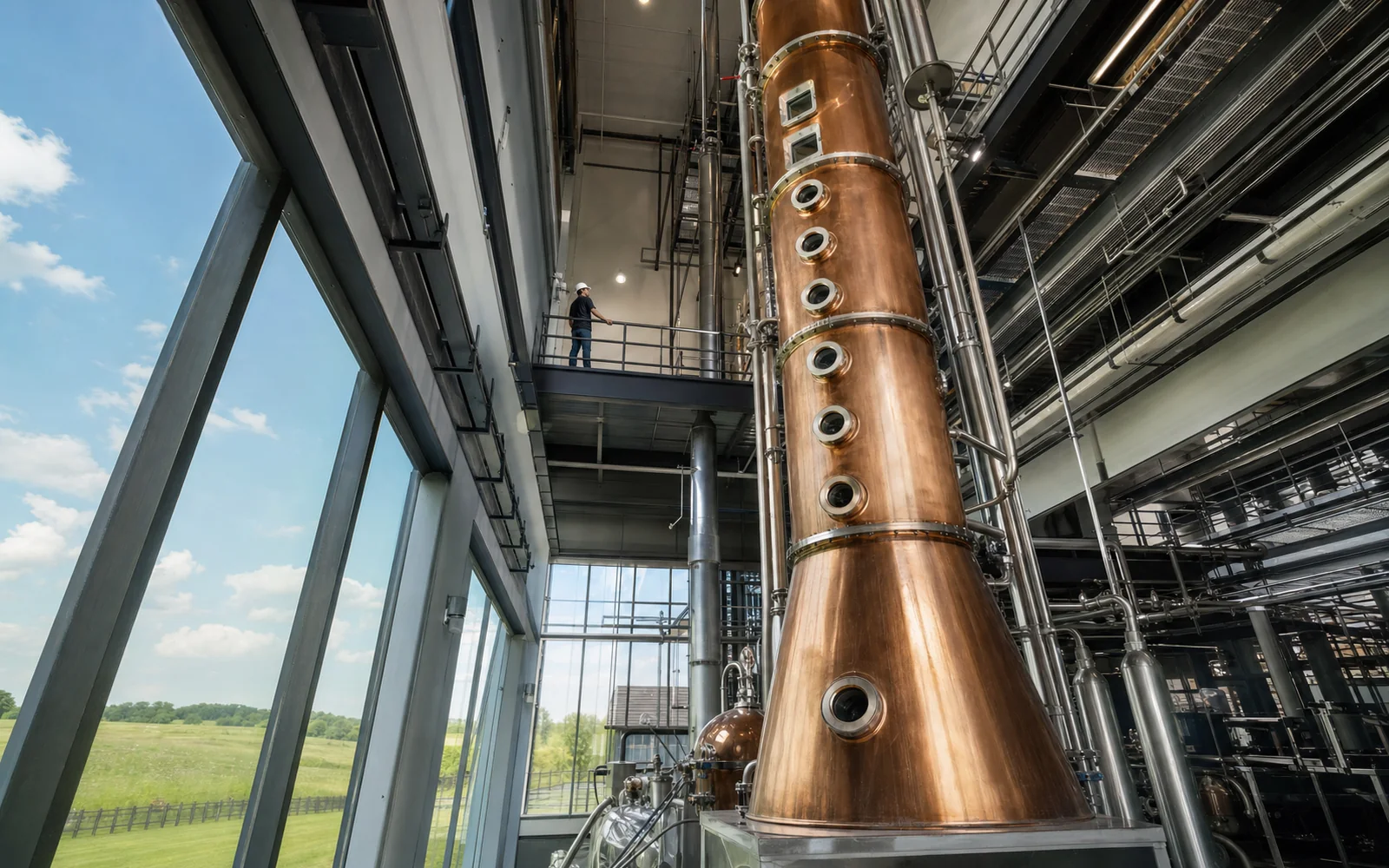
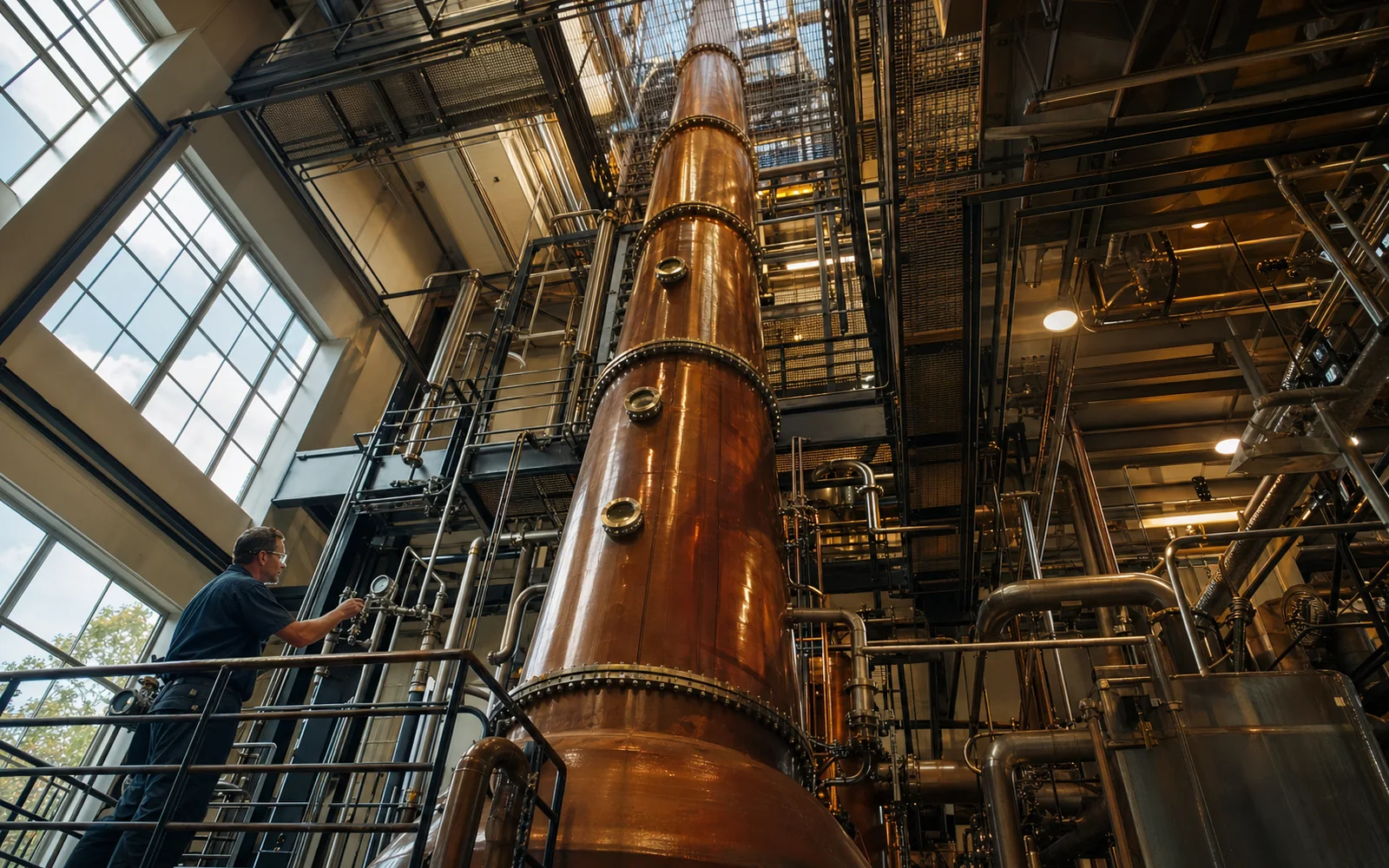
- Column stills, the industrial workhorse. Heaven Hill Springs runs a 60-foot Vendome copper still that makes more than 33,000 proof gallons a day. Lux Row’s 43-foot column fills a 53-gallon barrel in about nine minutes.
- Doublers, a second, pot-style distillation after the column that refines the spirit.
- Pot stills, batch vessels that tend to keep more body. Preservation calls itself the first and only 100% pot-distilled producer in Nelson County, working in micro batches of one to three barrels.
- Combinations. Willett runs a column still, a doubler and a pot still.
What comes off the still is clear “white dog” or new make. Some tours pour a taste; it smells like sweet cornbread and burns like it means it.
Step 5: the barrel
New make goes into new white-oak barrels charred on the inside. The char turns wood sugars into caramel and vanilla notes and filters the spirit as it moves in and out of the wood with the seasons. Heaven Hill’s Elijah Craig Gallery at the Bourbon Experience puts you inside a re-created charred oak barrel.
Every bourbon barrel is used only once for bourbon, which is why so many end up aging Scotch, rum and beer around the world. The Kentucky Cooperage in Lebanon, part of the Bourbon Trail’s Bardstown region, is where you can see barrels being made.
Step 6: aging in the rickhouse
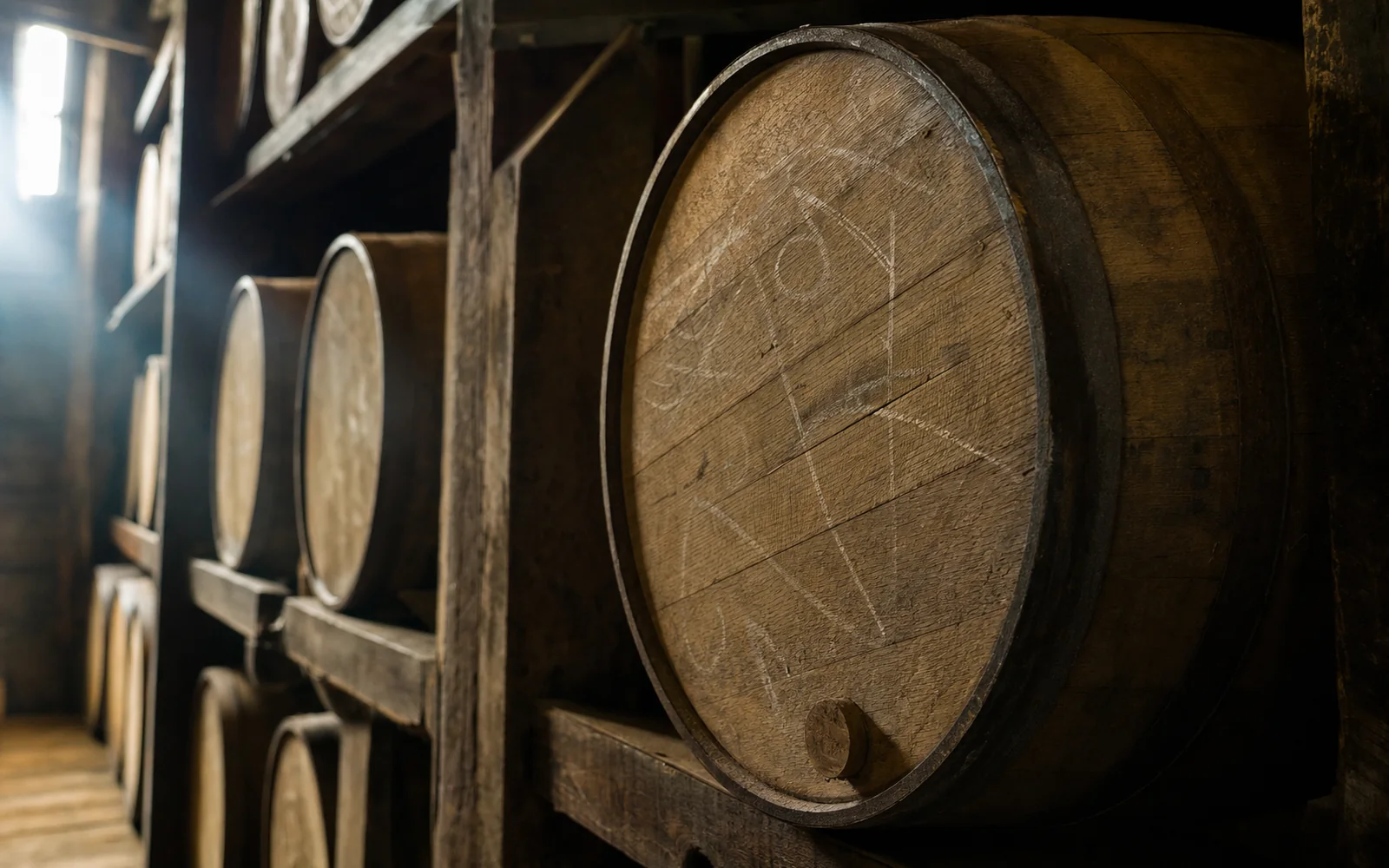
Barrels rest in rickhouses, the tall, dark warehouses you’ll see all over Nelson County. Upper floors run hotter in summer, and barrels age faster there; lower floors are cooler and slower. Some whiskey evaporates through the wood every year, the “angel’s share,” which is why rickhouses smell so good.
The numbers are big. Kentucky held a record 16.1 million barrels aging in October 2025, and Heaven Hill is the second-largest holder of aging bourbon barrels in the world. At Barton 1792, older warehouses hold about 19,600 barrels each and the newest hold 58,000. For the best photo, stand at the base of Lux Row’s six-story barrel wall.
Step 7: dumping, blending and bottling
When barrels are ready, they are dumped. Small batch bourbon blends a limited number of barrels; single barrel means exactly what it says. Water brings most bourbons down to bottling proof; barrel proof skips that step. Bottled-in-bond bourbon, a category created by the 1897 Bottled-in-Bond Act, comes from one distillery and one distilling season, ages at least four years in a bonded warehouse and is bottled at exactly 100 proof.
Four Roses bottles at its Cox’s Creek site, where visitors can watch. At Maker’s Mark, the last step is the hand-dipped red wax.
Where to see each step around Bardstown
| Step | Where to see it |
|---|---|
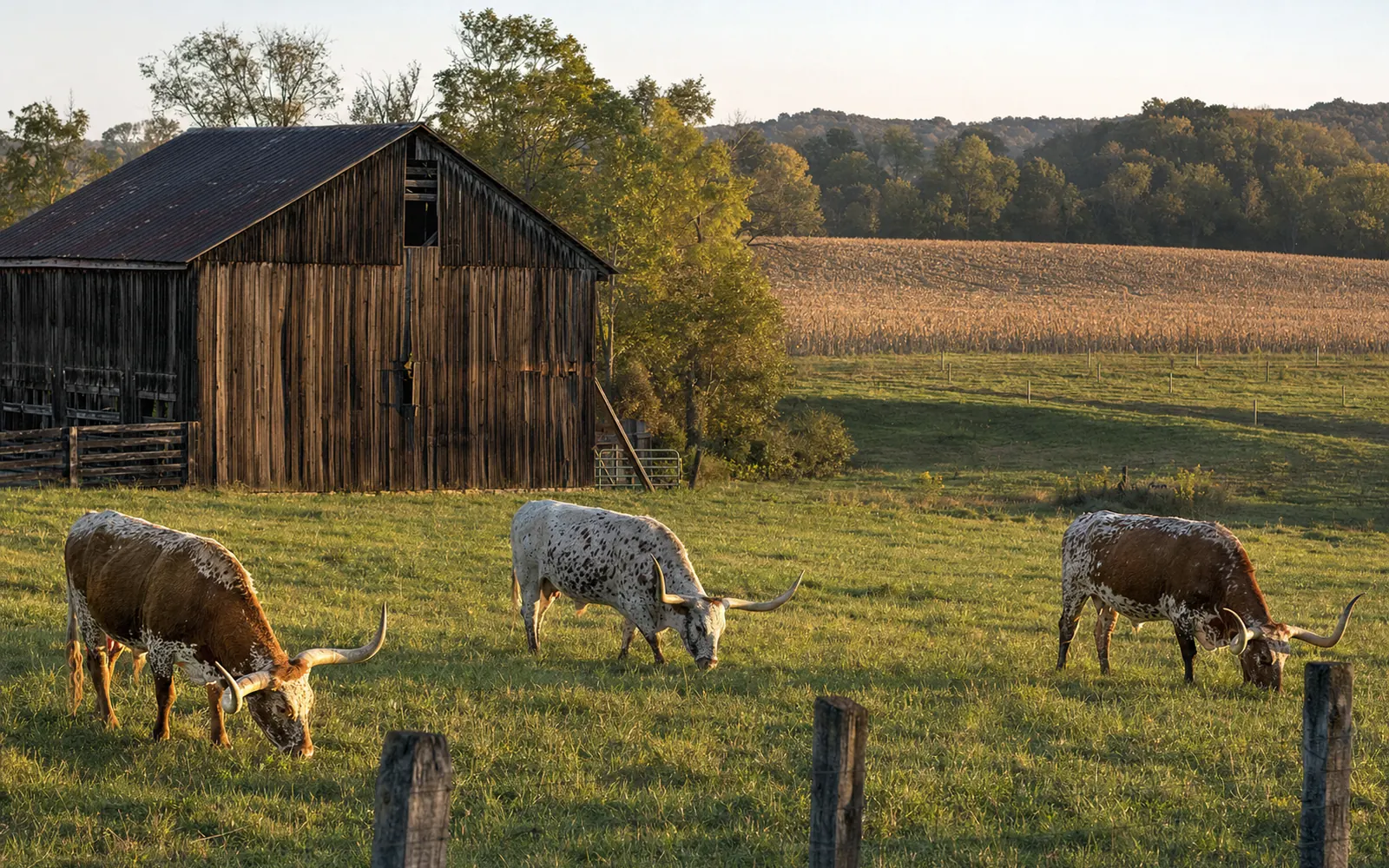
| Grain and farm | Preservation’s corn fields and longhorns eating spent grain |
| Cooking and fermenting | Bardstown Bourbon Co., Willett, Heaven Hill Springs |
| Stills | Heaven Hill Springs (column), Willett (pot), Preservation (pot) |
| Barrels | Kentucky Cooperage, Lebanon |
| Rickhouses | Lux Row barrel wall, Bardstown Bourbon Co. rickhouse tasting |
| Bottling | Four Roses at Cox’s Creek, Maker’s Mark wax dipping |
A note for 2026: Jim Beam paused distilling at its main Clermont plant for a year starting January 1, 2026, and MGP paused Lux Row and Limestone Branch from May 1, 2026. All three still run tours, but the stills won’t be working. If watching distillation matters to you, choose another stop.
Before and after your tour
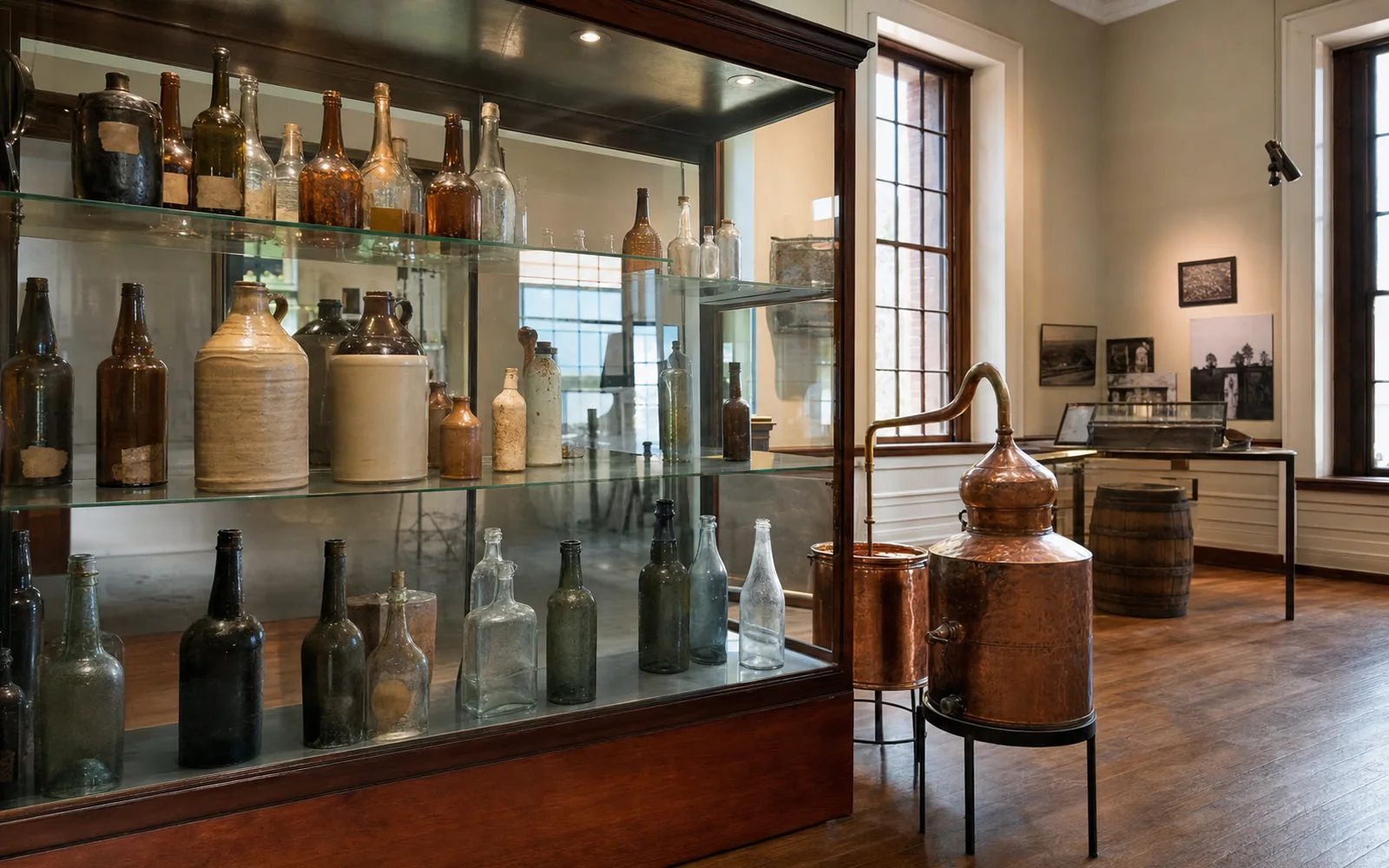
Visit the free Oscar Getz Museum for the historical side, with moonshine stills and bottled-in-bond history. Then turn what you’ve learned into a better tasting with bourbon tasting for beginners. To choose the right tour for seeing production, compare them in our distillery tours guide. Bardstown Bourbon Company’s 3.5-hour “Behind the Scenes” experience ($75) covers the full distillation process, which makes it the deepest production tour in town.