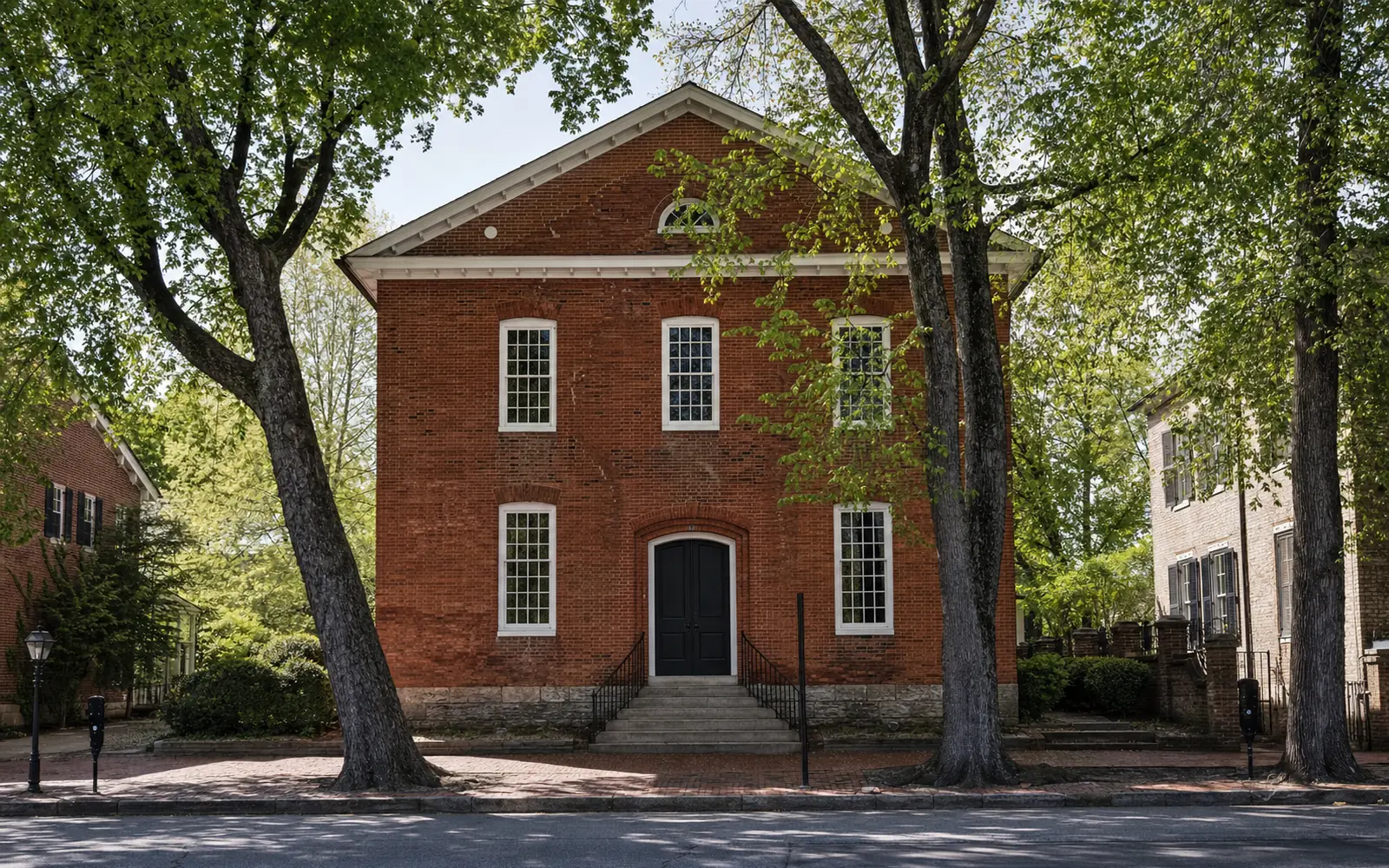
Black history in Bardstown begins with slavery: enslaved men and women built Federal Hill, the mansion behind “My Old Kentucky Home,” and at least 54 people were enslaved there by the Rowan family. It continues through national figures born enslaved in this town, including the Catholic journalist Daniel Rudd and Bishop Alexander Walters, to Union Church, Black congregations after emancipation and, in 2010, the town’s first Black mayor. You can trace it in two places, at the Federal Hill house tour and at the African American Heritage Museum, both within a mile of Court Square.
Federal Hill: the people who built and ran the house
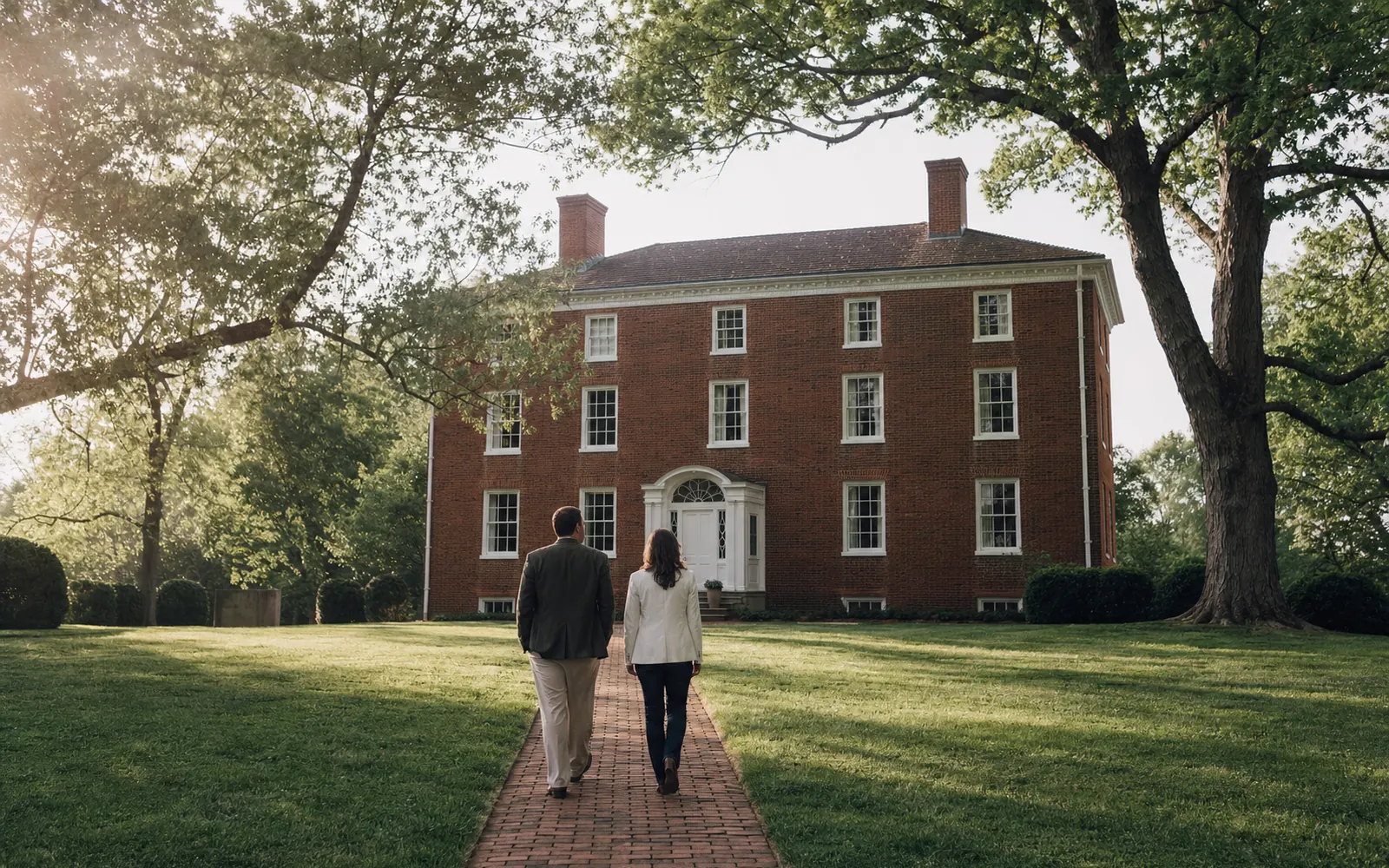
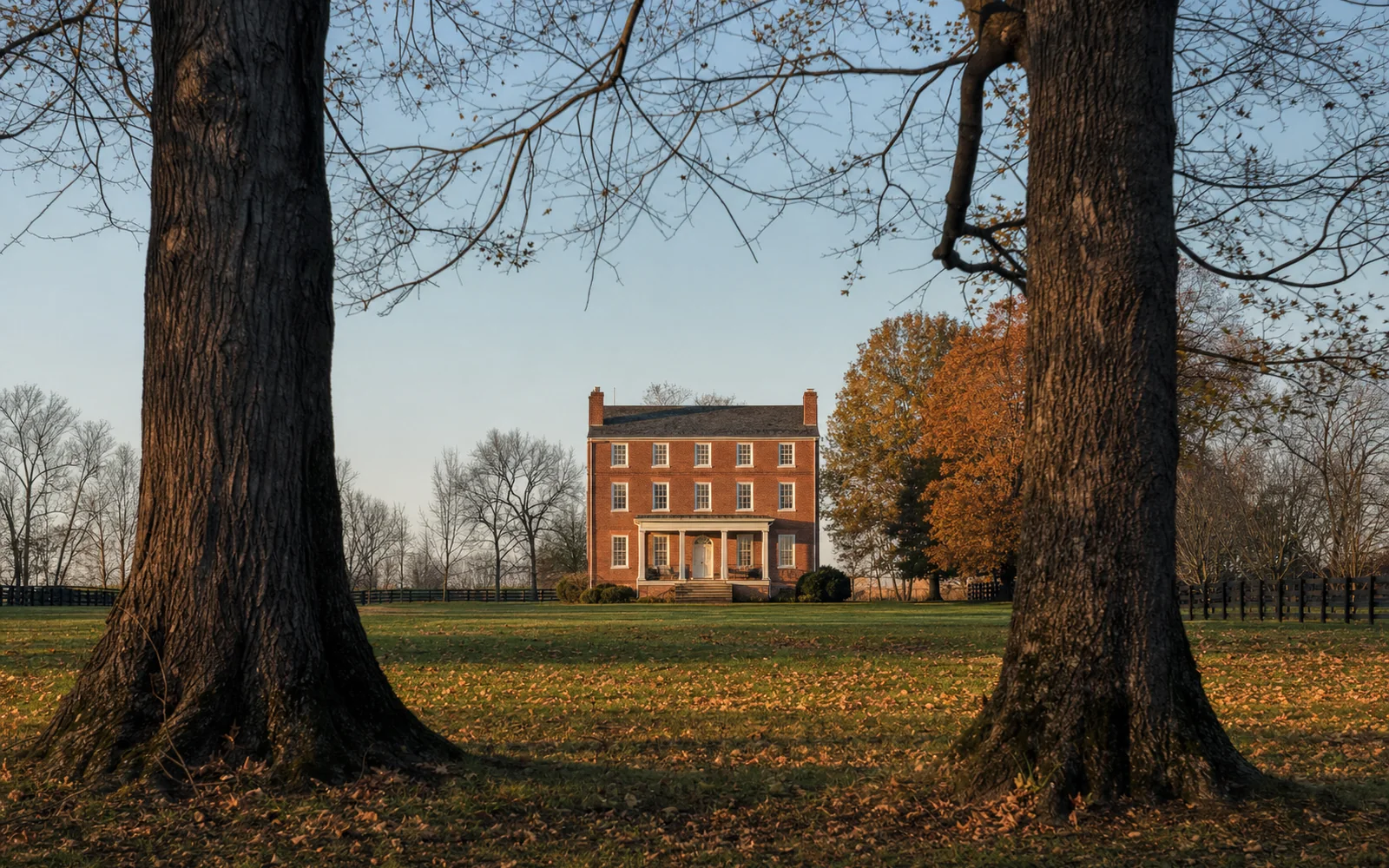
Bardstown’s most famous house was built by the people it held in bondage. The main block of Federal Hill was finished in 1818 “using slave labor,” with brick fired on the site and laid in Flemish bond. The state park’s own research documents at least 54 people enslaved by Judge John Rowan over his lifetime. The peak was 39 people in 1830, and they lived in nine family groups.
The park publishes their names, and reading them is the right place to start. Andrew and Jenny’s family numbered 11, among them Louisa, Julia, Mary, Jane, Rachel, David, Edward, Andrew Jr. and Mary Ellen. There were Bobbet’s family (James, Lewis, Ned and Charles); Jesse and Harriet’s family (Sam, Susanna and Rosetta); Abraham and Louisa’s family (Alfred and Laura Ann); Ignatius and Ellen’s family (Margaret); Charlotte’s family (Emily and Wilson); and Aggie’s family (Phebe). Sixteen more people, including Ben, Betty, Dorothy, Caroline, Edwin, Emma Cecilia, Evanline, Harriet, Henry, Mack, Joseph, Maria, Nelly, William and Winney, are not linked to a known family.
A historical marker at the park, “Enslaved as Property,” lists names beside the appraised dollar values recorded for them. Andrew, 57, was valued at $100. Jenny, 40, at $200. Louisa, 18, at $300. David, 7 years old, at $200. Read it slowly; it says more about what slavery was than any summary can.
Other threads run through the record:
- Mack Rowan, born into slavery in 1820 with a club foot, became a boot and shoe maker.
- In a single cholera outbreak, eight members of the Rowan family and eight enslaved people died within 24 hours, according to Kentucky Tourism.
- A burial ground for enslaved men, women and children lies southwest of the mansion, near the old “sugar camp.” The houses where they lived no longer stand.
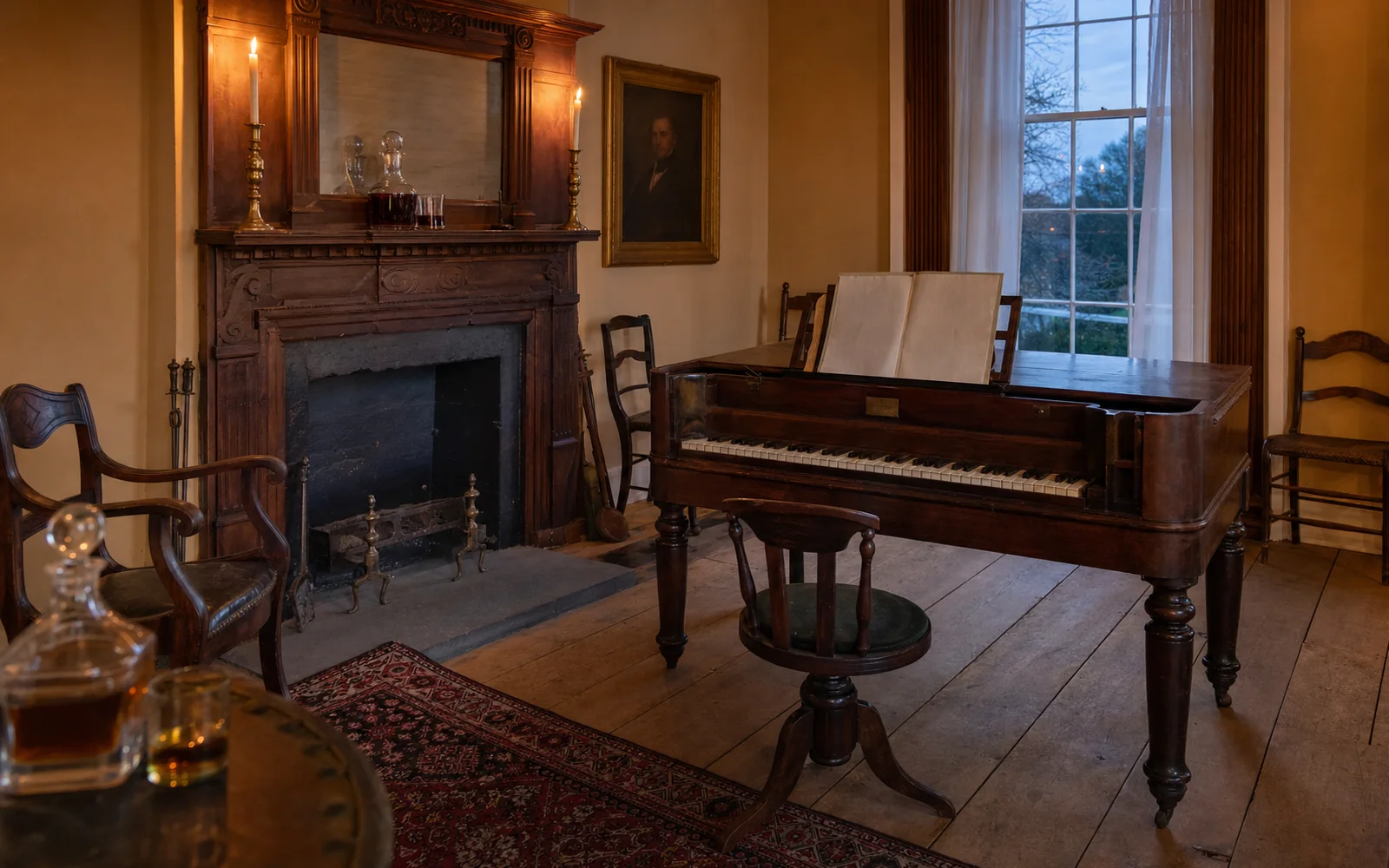
- The mansion’s finely carved mantels and windowsills were the work of a free Black craftsman.
The park also notes that “various members of the Rowan family either supported or opposed the institution of slavery.” That is true and worth knowing. It does not change who carried the bricks.
How the house tour tells it now
Today’s Federal Hill tour covers enslaved life at the house along with the Rowans and the Foster legend. Tours leave every hour from 9 a.m. to 4 p.m., hold up to 25 people, and cost $18 for adults ($15 seniors, $12 ages 6 to 17). If you want time to find the burial ground and the marker, walk the grounds after your tour; they are part of the 235-acre My Old Kentucky Home State Park.
A good question to ask your guide: which of the named families can be traced after emancipation? The records are often thin, and that gap is part of the lesson.
The song, the slur and the 1986 change
Stephen Foster’s “My Old Kentucky Home” began in his sketchbook as “Poor Uncle Tom, Good-Night!” and seems to draw on Uncle Tom’s Cabin. Frederick Douglass wrote in 1855 that songs like it awakened “sympathies for the slave, in which antislavery principles take root, grow, and flourish.”
For generations the song, adopted as Kentucky’s state song in 1928, was sung with a racial slur. That changed after March 11, 1986, when visiting students sang the original words to the Kentucky General Assembly. Representative Carl Hines and Senator Georgia Davis Powers introduced resolutions replacing the slur with “people,” and both chambers adopted them. The song’s history is told in full on the Stephen Foster page.
Born in Bardstown, known across the country
Three men born in Bardstown or Nelson County in the 1850s and 1860s, two of them into slavery, became national figures.
Daniel Rudd (1854 to 1933)
Daniel Rudd was born on August 7, 1854, enslaved on Anatok Plantation near Bardstown, and baptized at St. Joseph. In 1885 he founded the Ohio Tribune, which became the American Catholic Tribune in Cincinnati, the first Black-owned national Catholic newspaper. He organized the Colored Catholic Congress, which first met in Washington in January 1889 and convened five times. He came home in the end: Rudd is buried in St. Joseph’s Cemetery, where the Archdiocese of Louisville and his home parish announced a historical marker in 2020. See him again at the Basilica of St. Joseph, where he was baptized.
Bishop Alexander Walters (1858 to 1917)
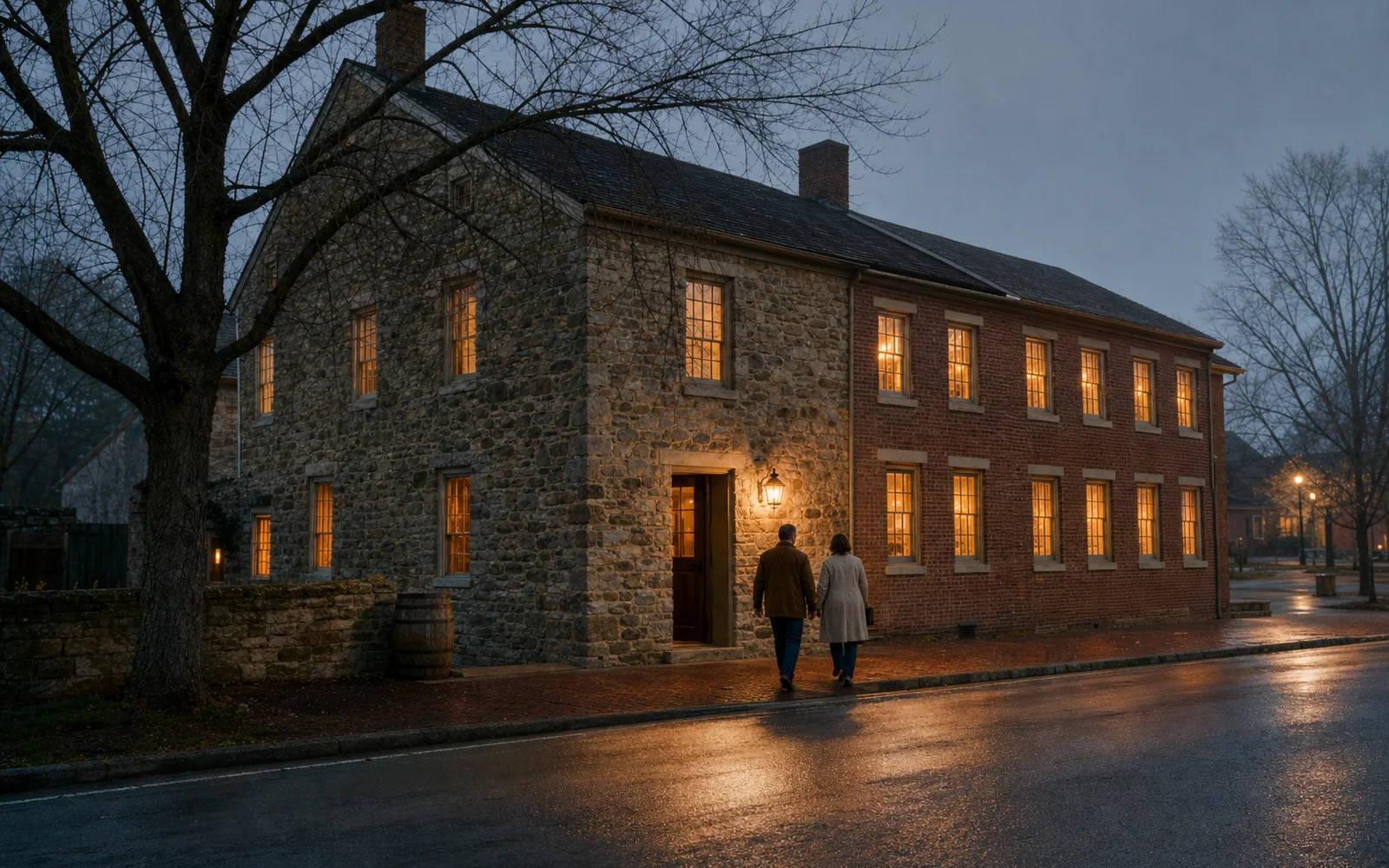
Alexander Walters was born enslaved in Bardstown on August 1, 1858. The Talbott Tavern’s history says he was born in the kitchen area of its brick section, which puts his birthplace in the same building where tourists now order burgoo. He was elected a bishop of the AME Zion Church in 1892, led the National Afro-American Council, spoke at the First Pan-African Conference in 1900 and presided over the Pan-African Association, and was part of the NAACP and National Urban League in the 1910s. Ask to see the brick section when you visit the Old Talbott Tavern.
Joseph Seamon Cotter Sr. (1861 to 1949)
Joseph Seamon Cotter Sr. was born in Nelson County in 1861. A poet and playwright, he was one of the earliest published African American playwrights, and in 1893 he founded Louisville’s Paul Laurence Dunbar School.
Churches, the Catholic record and emancipation
Kentucky stayed in the Union, but slavery in the state did not end with the Emancipation Proclamation, which did not apply here. Freedom came with the 13th Amendment at the end of 1865. In Bardstown, one early sign of what freedom meant is Union Church on North Second Street. Built in 1812 and shared by white congregations until 1863, it became a place of worship for newly emancipated Baptist and Methodist congregations after the war, and by the end of the century it was a Black Baptist church.
The Catholic story here is part of this history too. The frontier church around Bardstown relied on enslaved labor, and in 2000 the Sisters of Charity of Nazareth, founded near Bardstown in 1812, formally apologized for their past slaveholding. It is worth keeping in mind as you tour the Kentucky Holy Land.
The 20th century and today
In the mid-20th century, a self-taught banjo player named Lem “Uncle Lem” Reed greeted visitors at Bardstown’s parks from the mid-1940s until his death in 1955, and drew thousands of tourists a year. In November 2010 Bill Sheckles was elected Bardstown’s first African American mayor; in 2014 he became the first African American president of the Kentucky League of Cities; and in 2017 he founded the museum in Union Church. African Americans made up about 12 percent of the city’s population in 2010.
Where to see it: a half-day plan
- 9 a.m.: Take the first Federal Hill tour, then walk the grounds to the “Enslaved as Property” marker and the burial ground area.
- 11 a.m.: Drive about a mile back into town for lunch on Court Square, and ask at the Talbott Tavern about Bishop Walters’ birthplace.
- 1 p.m.: Walk to the African American Heritage Museum at 315 N. Second St. (Thursday to Saturday, April through November; groups by appointment year-round, (502) 296-1969).
- 2:30 p.m.: Finish at the Basilica of St. Joseph, where Daniel Rudd was baptized.
For more people connected with the town, see notable people from Bardstown. The heritage museum’s own website posts events and new research through the year.