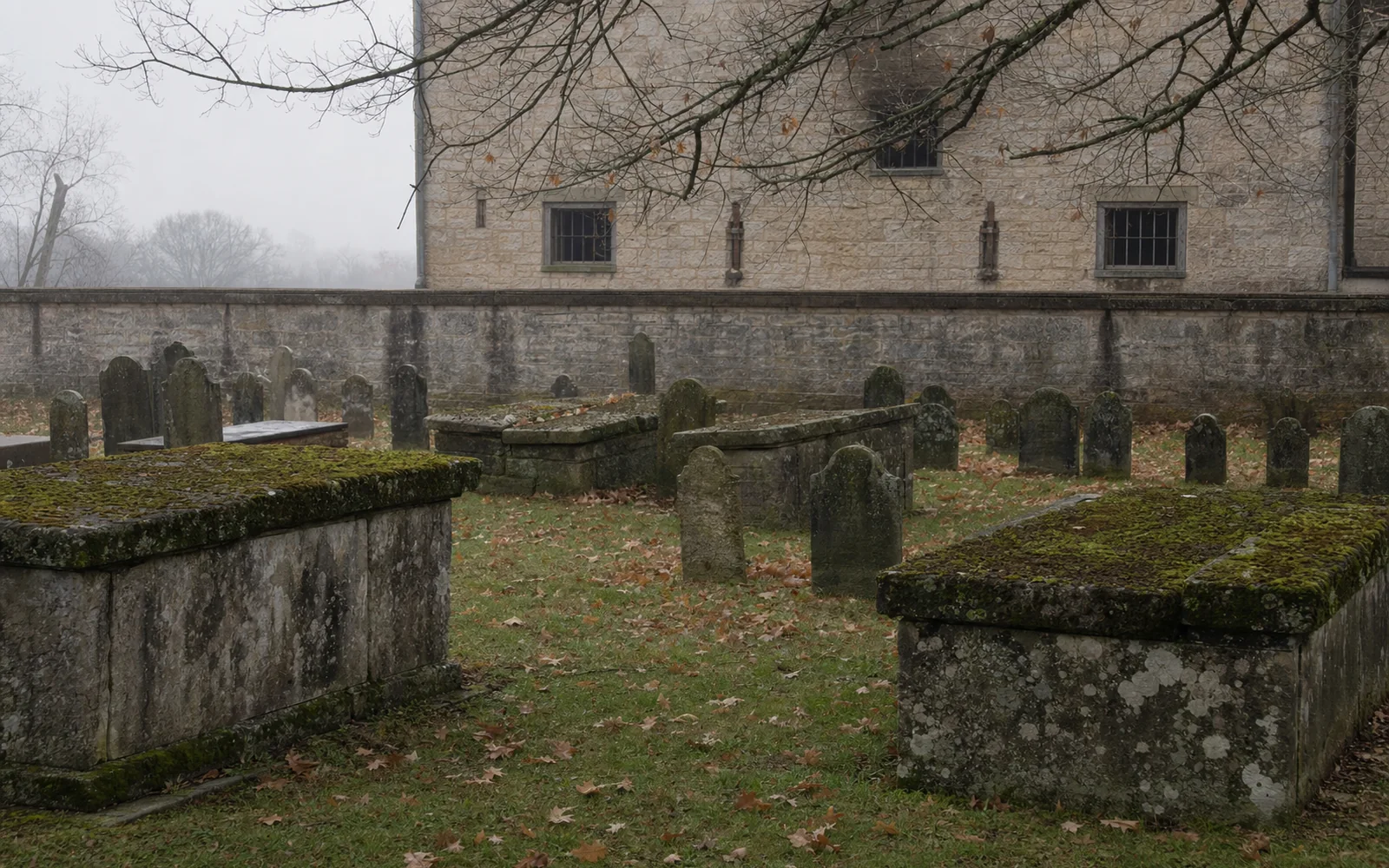
Bardstown saw no pitched battle in the Civil War, but in the fall of 1862 it sat at the center of the biggest military campaign ever fought in Kentucky. Braxton Bragg’s Confederate army camped here, Don Carlos Buell’s 55,000 Union troops marched on it by three roads, and the Confederates pulled out on October 3, four days before the Battle of Perryville. Today you can trace that story in a strong downtown museum complex, a college building that became a hospital, a cemetery monument and a battlefield 45 minutes east.
Why the war came to Bardstown
Kentucky never left the Union. It was a slave state with divided loyalties, and in the summer of 1862 Confederate leaders gambled that a large army marching into the Bluegrass would bring Kentuckians flocking to their side. That plan is known as the Confederate Heartland Offensive.
Bragg came north out of Tennessee. In September 1862 he captured more than 4,000 Union soldiers at Munfordville, on the railroad south of Louisville, and then, rather than push on to Louisville, he moved his army to Bardstown. The town made sense as a base: it sat on good roads, in rich farm country that could feed an army, within reach of both Louisville and the Bluegrass.
For a few weeks Bardstown was full of Confederate soldiers. Local memory of that autumn runs through old family stories, church records and the buildings that still stand on Court Square.
Three roads, one retreat: the countdown to Perryville
Buell, meanwhile, had reached Louisville and reorganized. In early October his army, around 55,000 strong, “advanced toward Bragg’s veteran army in Bardstown on three separate roads,” as the history of the Battle of Perryville puts it.
Bragg did not wait for them. On October 3 the Confederates withdrew eastward, and Union troops occupied Bardstown on October 4. On October 8 the two armies collided near the village of Perryville in Boyle County. It was the largest Civil War battle in Kentucky. The Confederates held the field that day, but Bragg withdrew afterward, and Kentucky stayed in Union hands for the rest of the war.
So when people say Bardstown “was in the Civil War,” this is what they mean: the town was the last Confederate base before the campaign’s decisive fight.
Hospitals, burned trestles and a Christmas raid
The armies left marks beyond the troop movements.
Spalding Hall
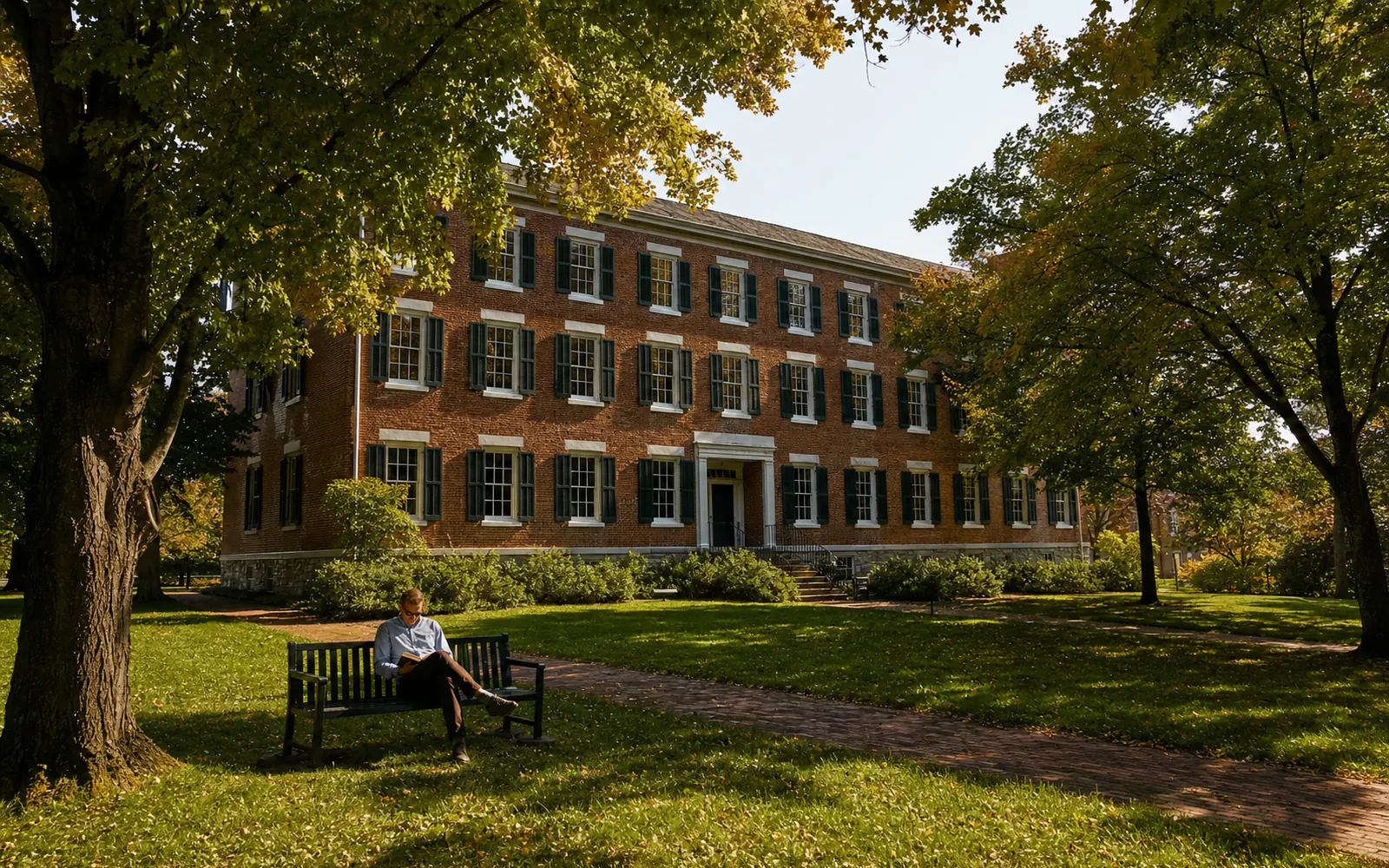
The main building of St. Joseph College on North Fifth Street served as a hospital. Standard histories say for Union soldiers; the museum that occupies it today says Union and Confederate soldiers both. Either way, the brick building you can walk into now once held the wounded. Read more on the Spalding Hall page, and note that the building now houses the free Oscar Getz Museum.
The railroad
Bragg’s forces destroyed railroad trestles near Bardstown. Former governor Charles A. Wickliffe, whose home Wickland stands on the east edge of town, personally hired workers to rebuild them. It is a small detail that says a lot about how a Union-leaning local elite coped with a Confederate occupation.
The nursing sisters
The Sisters of Charity of Nazareth, whose motherhouse is 3 miles north of town, nursed in Civil War hospitals, part of a long tradition of Catholic sisters caring for soldiers of both sides.
Morgan’s Christmas Raid
The war came back in the winter. John Hunt Morgan’s Confederate cavalry swept through Kentucky in late December 1862 to wreck Union rail lines, and returned to Tennessee “via Bardstown, New Haven and Springfield,” according to accounts of Morgan’s Christmas Raid. Morgan’s name turns up all over the museum downtown.
The Civil War Museum complex on East Broadway
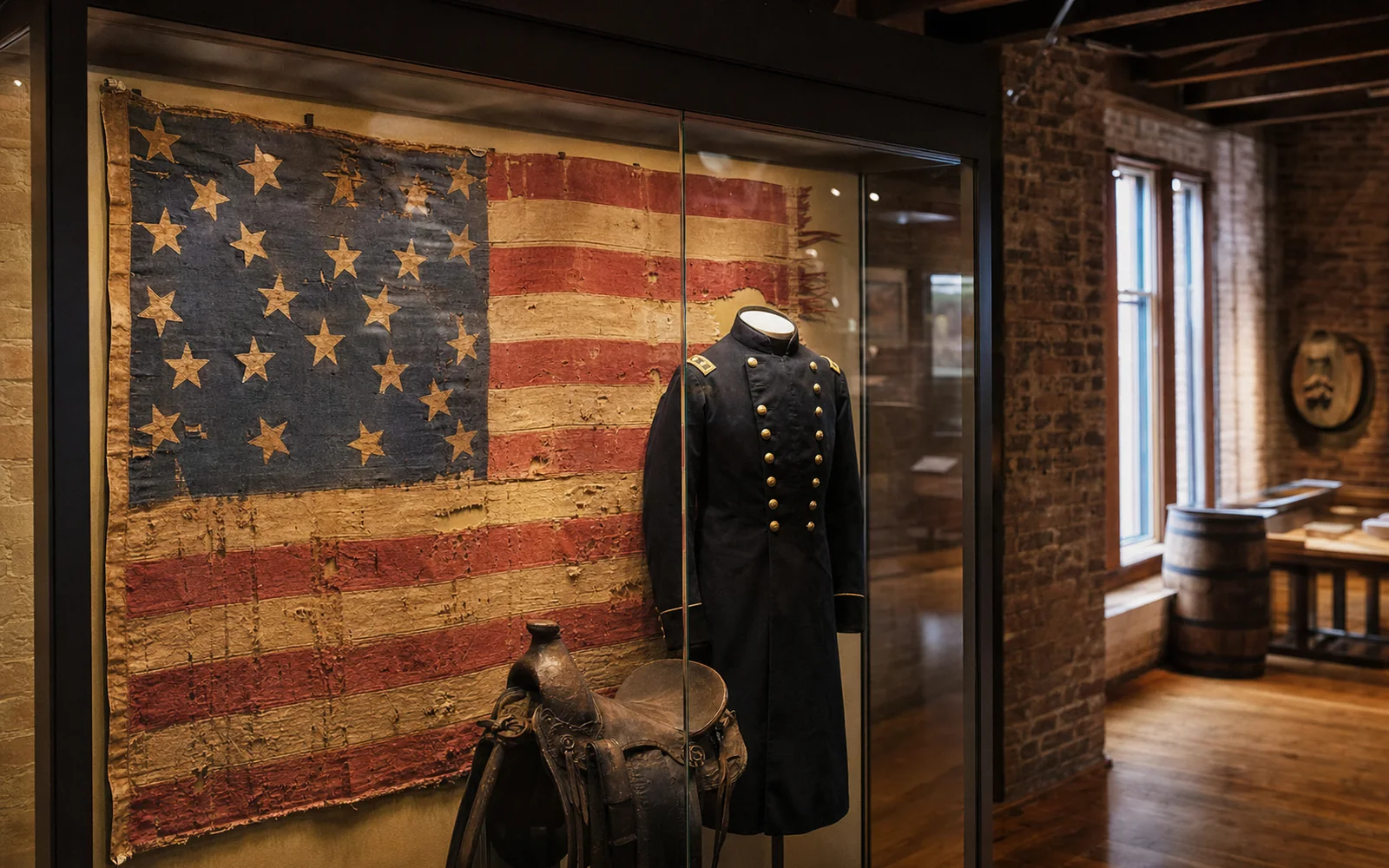
This is the heart of any Civil War visit, and it is better than a small town has any right to expect. The main building, a former icehouse and waterworks, holds the National Civil War Museum of the Western Theater, widely billed as the fourth-largest Civil War museum in the country. Its focus is the war between the Appalachians and the Mississippi, the theater that gets less attention than Virginia. The museum’s director put it plainly in 2026: “This is where the war could have been won or lost.”
Look for the flag of the 2nd Kentucky Cavalry captured at the end of Morgan’s Ohio raid, a flag of John Hunt Morgan himself, and Confederate Gen. John C. Breckinridge’s silver flask. Exhibits also cover figures like Col. Adam Rankin “Stovepipe” Johnson.
Your ticket also covers the Women’s Civil War Museum in the c. 1840 Wright Talbott House (billed as the only museum devoted to women’s roles in the war), the Gen. Hal Moore Military Museum and Old Bardstown Village, a cluster of Nelson County buildings from 1776 to 1820.
| Ticket | Price |
|---|---|
| Adults | $15 |
| Seniors, veterans, first responders | $12 |
| Children 7 to 15 | $6 |
| Ages 5 and under | Free |
Prices and hours are on the museum’s admission page. The regular season runs March 1 to October 27, daily 10 a.m. to 5 p.m., then weekends only through December 1. Last tickets sell at 4:15 p.m., so arrive by 3 p.m. to do it justice. Parking is free. The Civil War Museum Row guide covers each building in more detail.
The Confederate Monument in St. Joseph’s Cemetery
On the north side of town, St. Joseph’s Cemetery holds the Confederate Monument of Bardstown: a zinc soldier on a limestone base with a relief of Robert E. Lee, erected in 1903 and completed around 1905 at a cost of about $900. It was dedicated by the United Daughters of the Confederacy and marks the reburial of 67 Confederate dead from the 1862 fighting around Bardstown, found after the war in a mass grave on common land. It was listed on the National Register in 1997 and vandalized with orange paint in 2019.
Visit it as what it is: a grave marker for men who died here, and a turn-of-the-century statement about how the war would be remembered. It is an active cemetery, so keep your visit quiet.
Beyond town: Perryville, Lebanon and Federal Hill
Perryville Battlefield State Historic Site
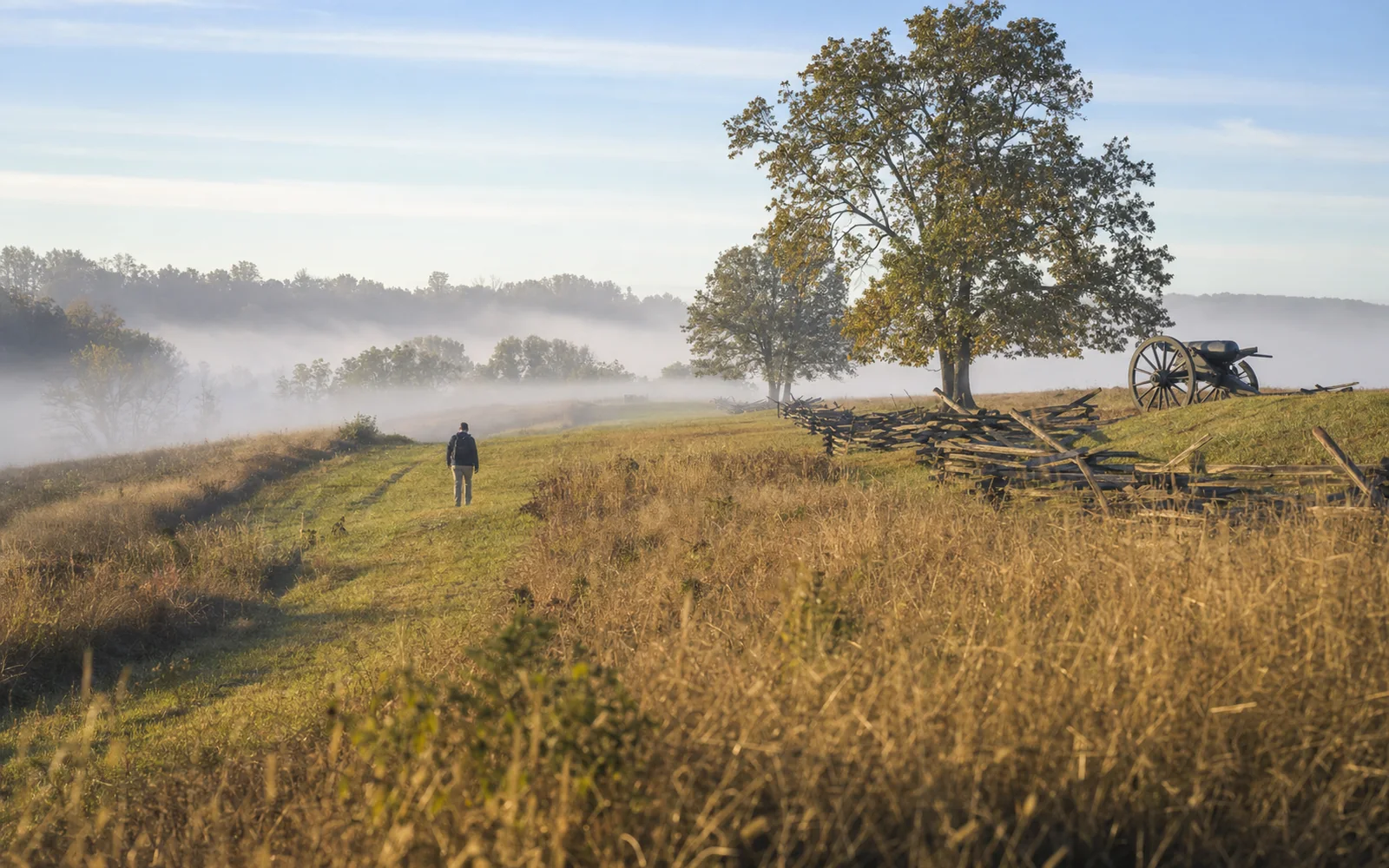
The battlefield is the natural next stop, about 36 miles and 45 minutes east. Its 745 acres preserve the ground fought over on October 8, 1862, with walking loops and a museum. The battlefield’s own site lists the 2026 commemoration on October 3 and ghost walks on October 24 and 31. From May through October the visitor center is open daily 9 a.m. to 4:30 p.m. See Perryville and Danville for a full day plan.
Lebanon National Cemetery
Lebanon National Cemetery, about 37 minutes southeast, began in 1862 with scattered remains of Union soldiers from the area; 281 of its 865 original burials were unknown. Lebanon was a Union supply depot. The VA’s cemetery page has visiting hours (grounds open daily, sunrise to sunset).
Federal Hill
Federal Hill in town runs a program called “A House Divided” through September 30, 2026, on the Rowan family’s Civil War connections. Check My Old Kentucky Home State Park for details; the house tour itself runs year-round and also covers the people the Rowans enslaved.
A one-day Civil War plan from Court Square
- Start at 10 a.m. at the Civil War Museum complex; give it two to three hours.
- Walk five minutes to Spalding Hall and see the building that served as a hospital.
- Lunch downtown, then drive to Perryville for the afternoon (about 45 minutes).
- Back in Bardstown for dinner, or continue to Danville and Constitution Square.
In October, check the Perryville event calendar before you choose a date, and book rooms early: fall in Bardstown means leaf season and festival weekends, and the town fills up. For the bigger picture of what came before and after 1862, the Bardstown history timeline puts the war in context.