Bardstown has produced an outsized cast for a town of about 13,500: three governors from a single house, the first Catholic bishop of the American West, a steamboat inventor, two of the most important Black leaders of the late 1800s, the journalist who bought Marie Curie her radium, and the general portrayed in We Were Soldiers. Many of them left something you can still visit, from a grave on Court Square to a mansion on the Bloomfield road. Here is who they were and where to find them.
Founders and frontier figures
The Bard brothers
The town carries their name. David Bard obtained a 1,000-acre land grant in 1785, and his brother William Bard surveyed and platted the town, chartered in 1788 as “Baird’s Town.” The spelling wandered for years (Beardstown, Beards Town) before settling as Bardstown. The town’s later chapters are on the history timeline page.
John Fitch (1743 to 1798)
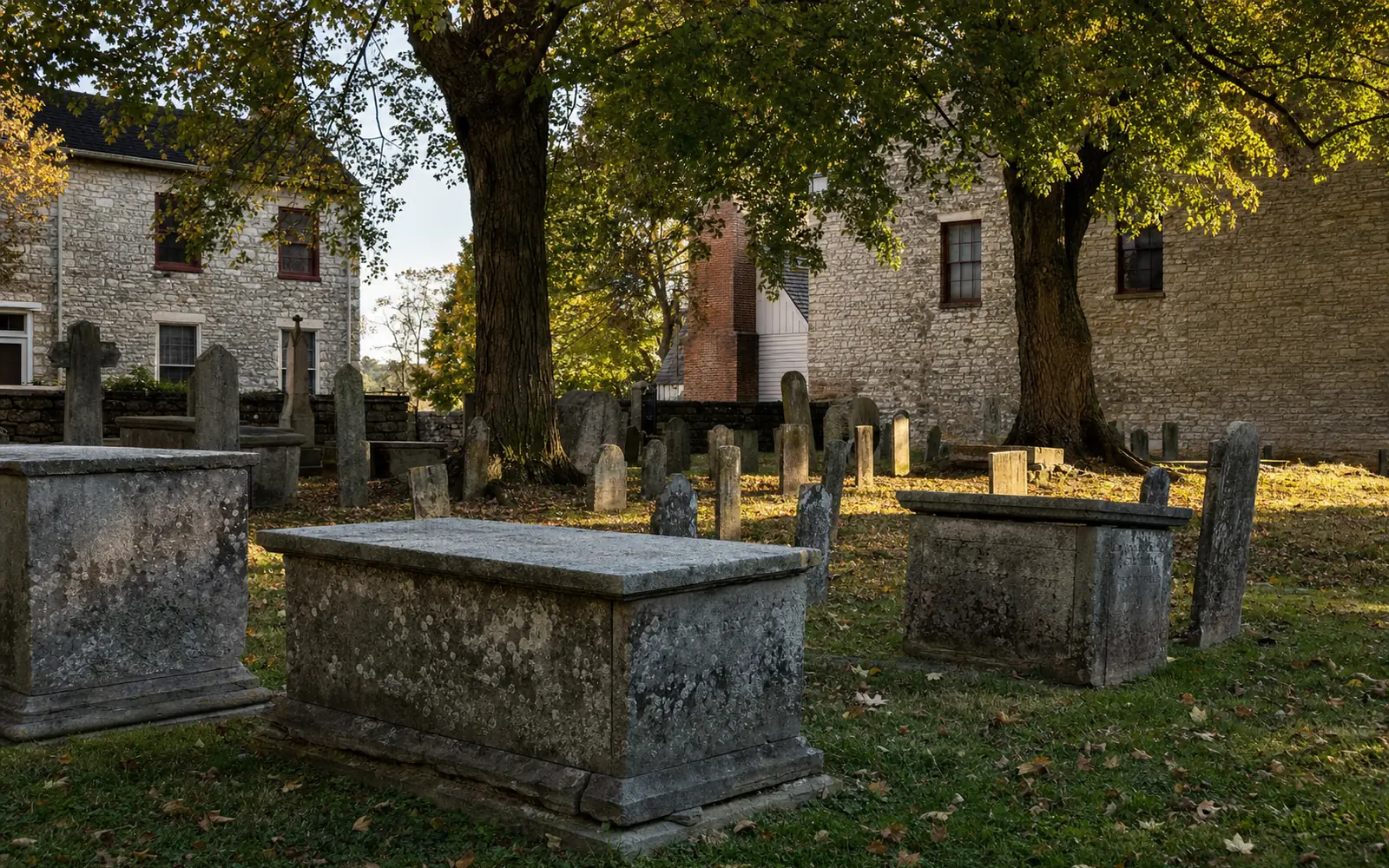
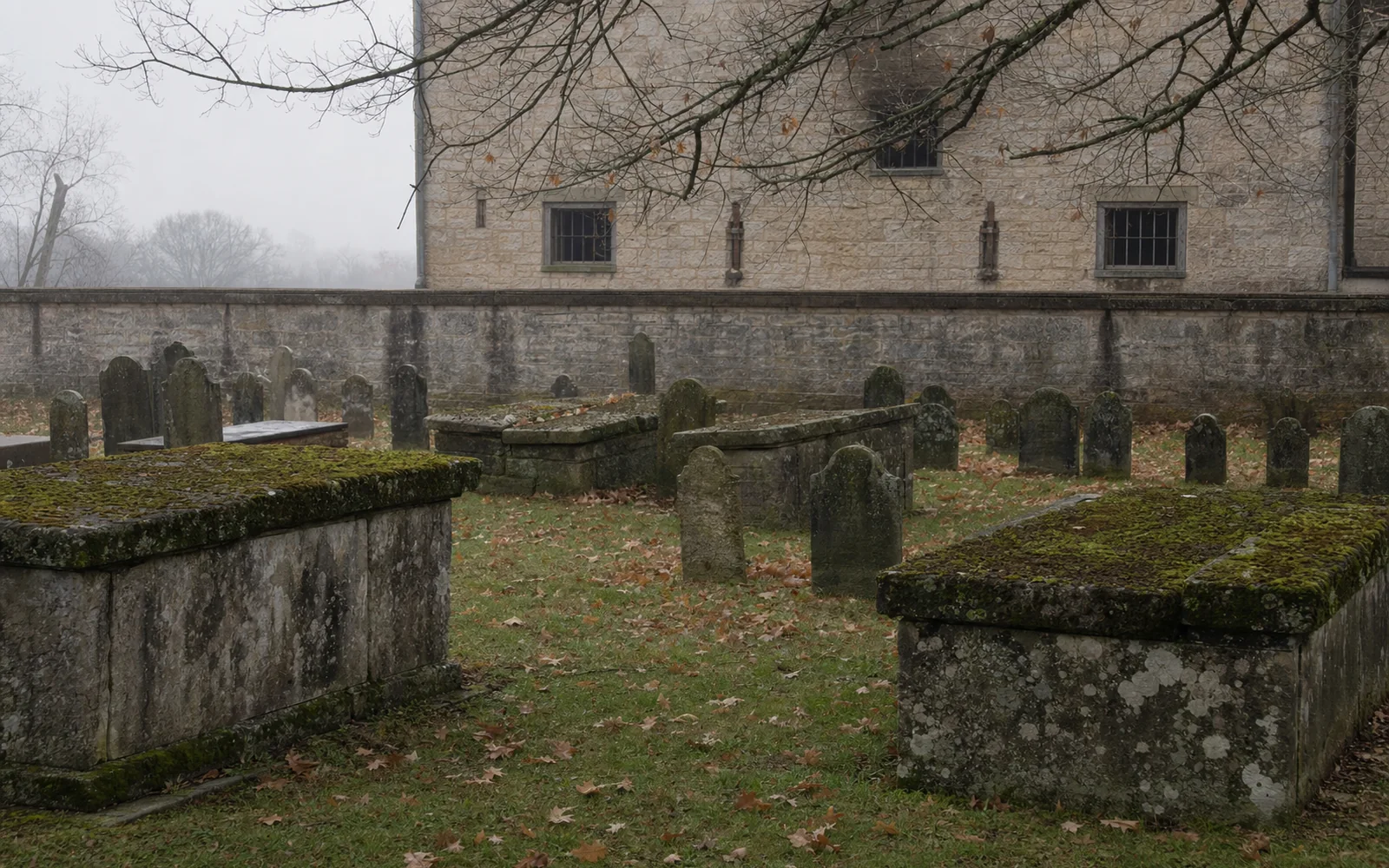
A Connecticut surveyor and inventor, Fitch ran a steamboat on the Delaware River in 1787 in front of delegates to the Constitutional Convention. He moved to Bardstown in 1797 to sell land and fund a western steamboat, and died here the next year. His remains rest under a memorial on Court Square; the full story is on the John Fitch and Pioneer Cemetery page.
Statesmen and the Pleiades
As the county seat, early Bardstown was full of lawyers, and a debating society called the Pleiades counted John Rowan, Felix Grundy and Charles A. Wickliffe among its members.
Judge John Rowan (1773 to 1843)
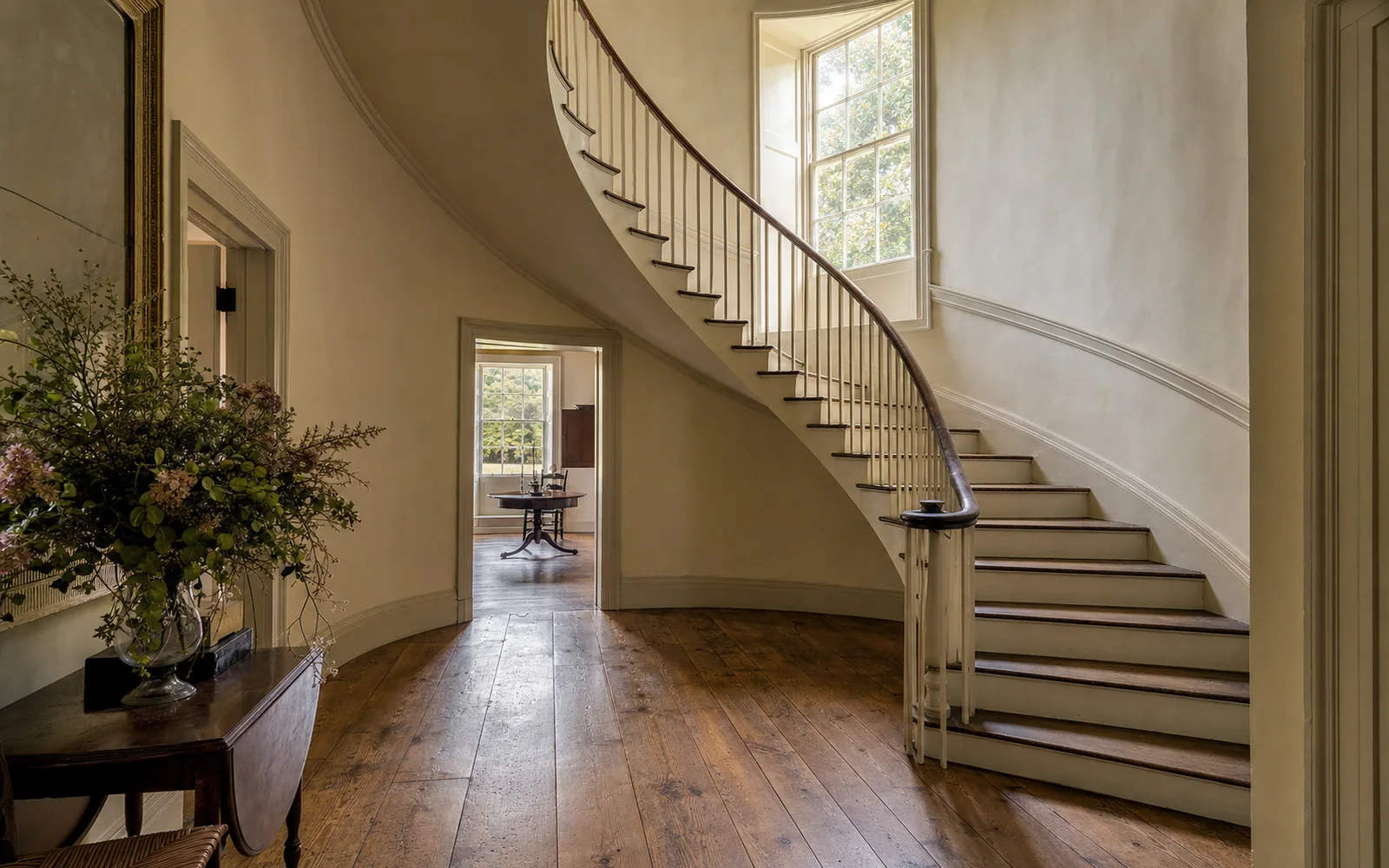
Born near York, Pennsylvania, John Rowan became a judge and U.S. Senator and built Federal Hill, the house behind “My Old Kentucky Home.” His career nearly ended early when he killed a man in a duel that grew out of a drunken card-game dispute. He also enslaved at least 54 people over his lifetime. He is buried on the grounds; see Federal Hill and the Rowans.
The three governors of Wickland
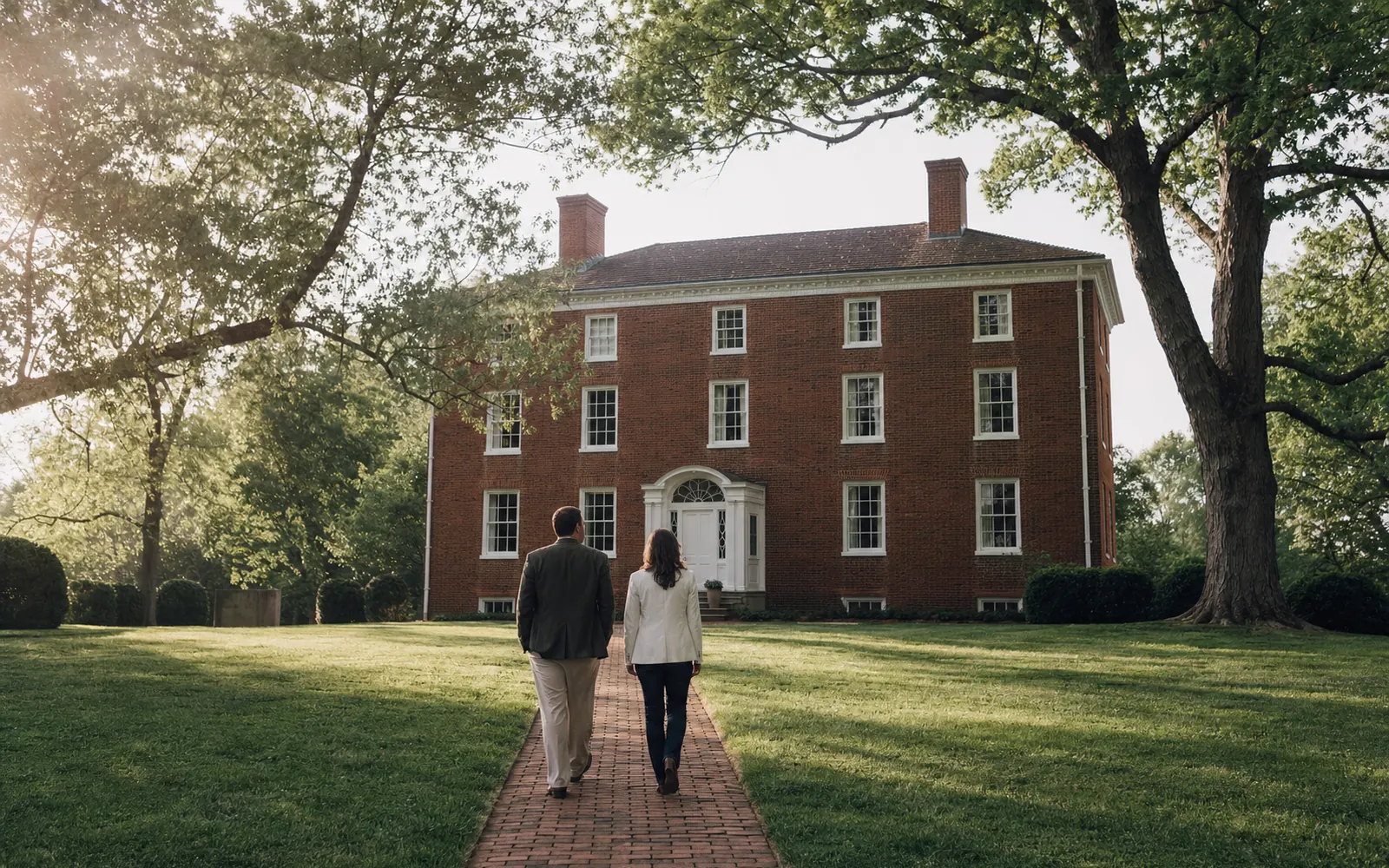
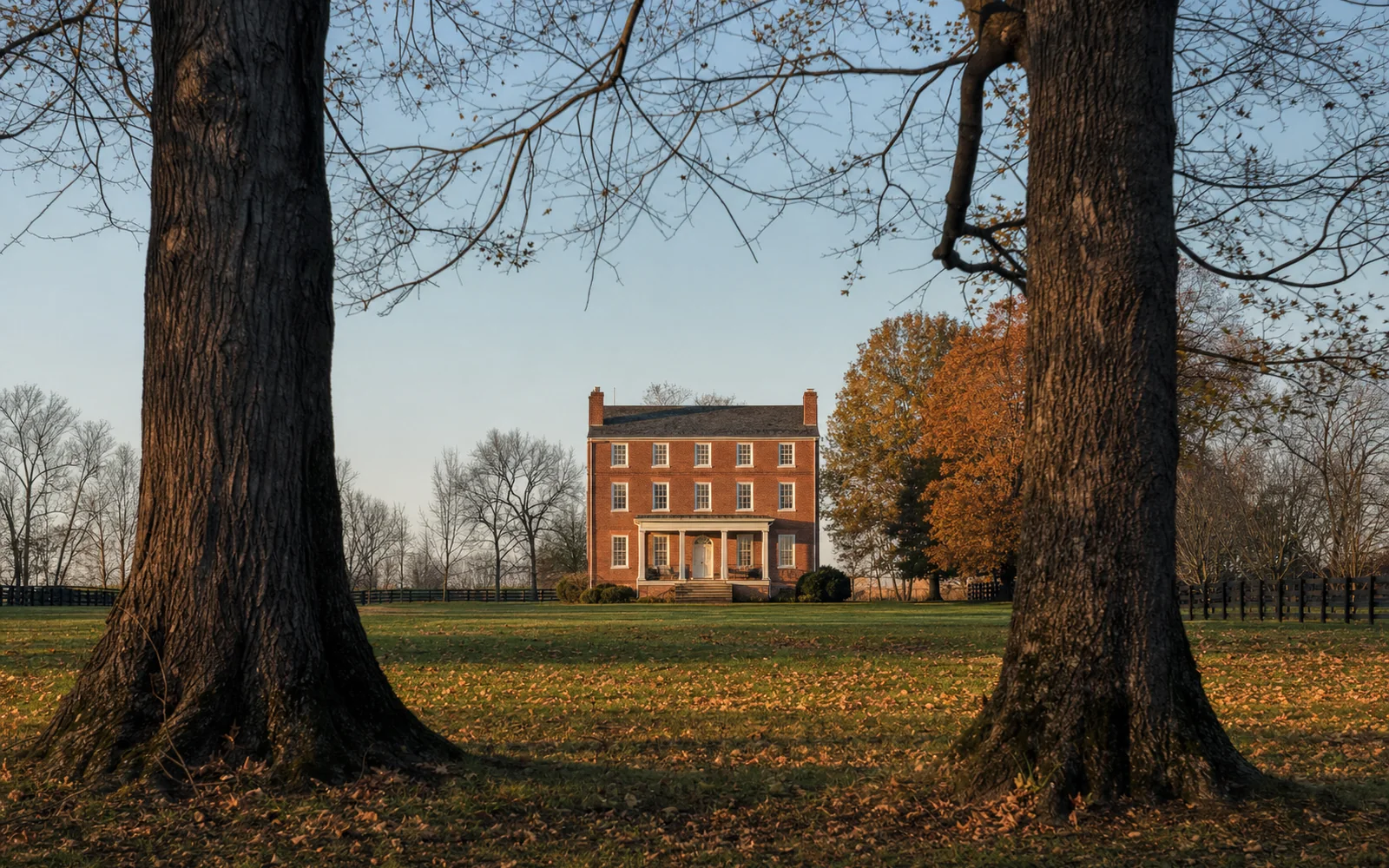
Charles A. Wickliffe was born in 1788 in a log cabin near Springfield, attended Wilson’s Academy in Bardstown and joined the bar in 1809. He served as Kentucky’s governor in 1839 and 1840 and later as U.S. Postmaster General, and during the Civil War he paid to rebuild railroad trestles the Confederates had burned near town. He built Wickland, where his son Robert C. Wickliffe (governor of Louisiana, 1856 to 1860) and grandson J.C.W. Beckham (governor of Kentucky, 1900 to 1907, then U.S. Senator) were born. Charles is buried in Bardstown Cemetery. Tour details are on the Wickland page.
William Pope Duval (1784 to 1854)
Born near Richmond, Virginia, Duval moved to Bardstown at 14, studied law here and was admitted to the bar at 19. He went on to Congress and then served as the first civilian governor of Florida Territory from 1822 to 1834, choosing Tallahassee as its capital. Duval County, Florida, carries his name, and Washington Irving based a character on him.
Also from the courthouse crowd
Ephraim H. Foster, later a U.S. Senator from Tennessee, and Leroy Augustus Stafford, a Confederate brigadier general who was educated in Bardstown, also appear on the town’s roll of notable names.
Faith and the frontier church
- Bishop Benedict Joseph Flaget (1763 to 1850), the French priest who became the first Bishop of Bardstown in 1810 and built the cathedral; his biography credits him with four colleges and eleven academies. Start at the Basilica of St. Joseph.
- Catherine Spalding, elected superior of the Sisters of Charity of Nazareth at 19, she led the community for 45 years from its founding at St. Thomas.
- Martin John Spalding studied at St. Thomas Seminary from 1826; Spalding Hall downtown is named for him.
- Francis Ridgley Cotton became the first Bishop of Owensboro.
- Thomas Merton (1915 to 1968) was not a native, but the famous monk-writer lived at the Abbey of Gethsemani from 1941 and is buried there.
Black leaders born in Bardstown
Two nationally important Black leaders were born enslaved here in the 1850s, and a third was born in Nelson County in 1861. The Black history in Bardstown page tells their stories in depth.
| Name | Years | Known for | In Bardstown today |
|---|---|---|---|
| Daniel Rudd | 1854 to 1933 | Founded the American Catholic Tribune and the Colored Catholic Congress | Baptized at St. Joseph; buried in St. Joseph’s Cemetery |
| Bishop Alexander Walters | 1858 to 1917 | AME Zion bishop, National Afro-American Council, early NAACP | Born, per the tavern, in the Talbott Tavern’s kitchen |
| Joseph Seamon Cotter Sr. | 1861 to 1949 | Poet, playwright, founder of Louisville’s Dunbar School | Born in Nelson County |
| Bill Sheckles | Mayor from 2010 | Bardstown’s first Black mayor; founded the heritage museum | African American Heritage Museum, N. Second St. |
Lem “Uncle Lem” Reed, a self-taught banjo player who greeted visitors in Bardstown’s parks from the mid-1940s until 1955, belongs on any list of the town’s best-known faces of the 20th century.
Writers, educators and the 20th century
Marie Mattingly Meloney (1878 to 1943)
Born in Bardstown to a physician father and an educator mother, Meloney was reporting for the Washington Post as a teenager and became one of the first women accredited to the Senate press gallery. She later edited The Delineator and This Week. Her great coup came after she interviewed Marie Curie in 1920 and learned the scientist could not afford radium for her own research: Meloney raised $100,000 nationwide to buy one gram, and President Harding presented it to Curie in 1921.
Lucy Ann Kidd-Key (1839 to 1916)
Born in Bardstown, Kidd-Key revived North Texas Female College in Sherman, Texas, led it for years, and founded its conservatory of music and art in 1908. The school was later renamed in her honor.
Lt. Gen. Hal Moore (1922 to 2017)
Born in Bardstown on February 13, 1922, Hal Moore graduated from St. Joseph Preparatory School, then housed in Spalding Hall, in 1940. He became a lieutenant general and co-wrote We Were Soldiers Once… And Young. His hometown honors him with the Gen. Hal Moore Military Museum in the Civil War Museum complex on East Broadway.
A few more
Jessie Belle Smothers, a professional wrestler, and Candy Massaroni, a state representative, are also Bardstown natives. Kenny Rapier, a former state parks commissioner from Bardstown, gave his name to the golf course at My Old Kentucky Home State Park. And the town’s bourbon story has its own cast, from T.D. Beam (Jim Beam’s brother), who owned the Talbott Tavern from 1916 to 1926, to Chicago collector Oscar Getz, whose whiskey museum fills Spalding Hall.
The famous name that isn’t from here
Stephen Foster was born in Lawrenceville, Pennsylvania, in 1826. He was a cousin of the Rowans, and his brother Morrison said he visited Federal Hill now and then, but historians “have been unable to conclude whether or not Foster ever visited the mansion at all.” His song made the town famous anyway. The Stephen Foster page untangles the legend.
A notable-people walk
You can visit several of these figures in one afternoon: start at the Fitch Memorial on Court Square, walk to the Basilica (Flaget, Rudd’s baptism), continue to Spalding Hall (Hal Moore’s school), then drive a mile east to Federal Hill (Rowan’s grave) and Wickland on the Bloomfield road (the three governors). End at the Civil War Museum complex for the Hal Moore museum before its last admission at 4:15 p.m.