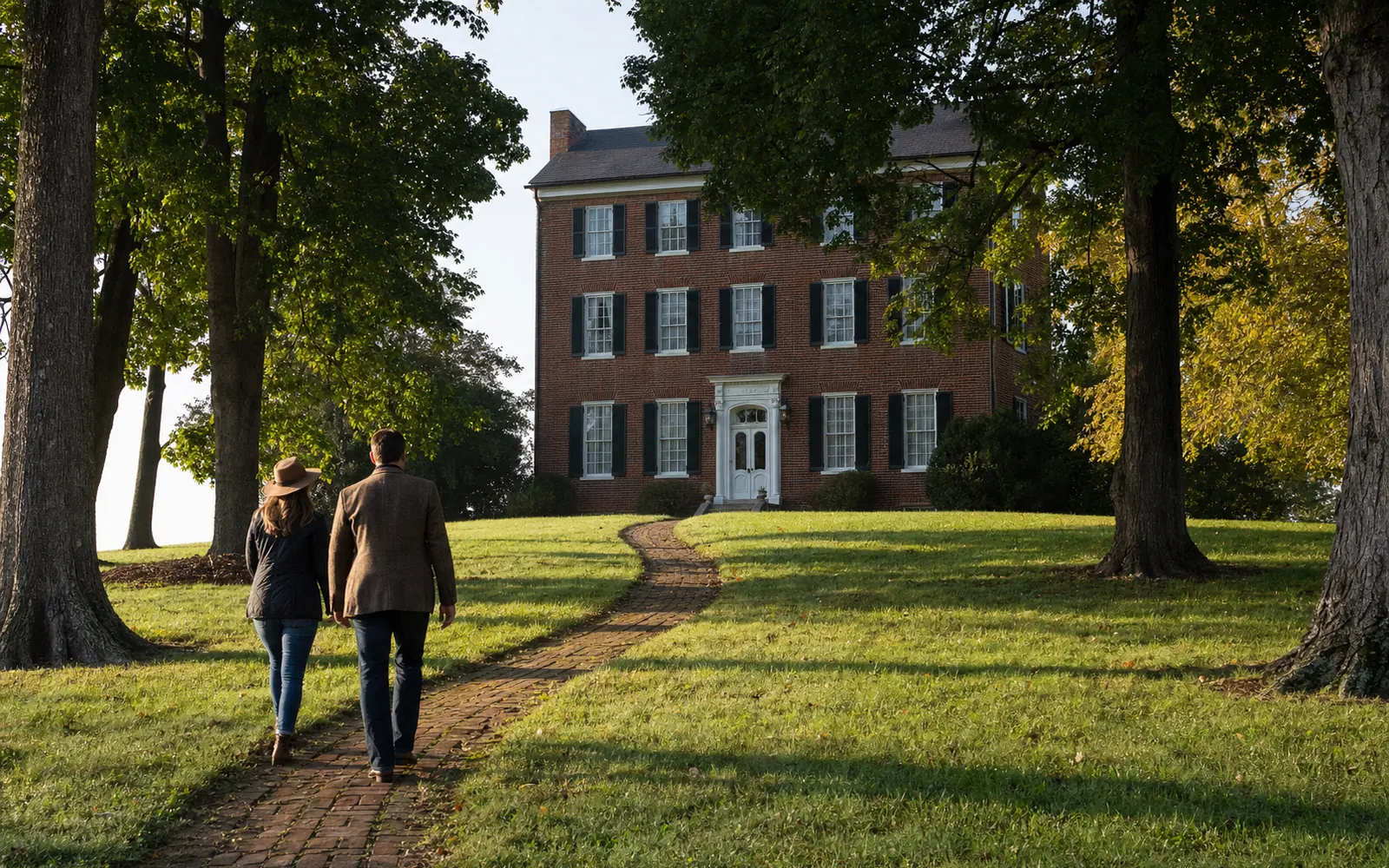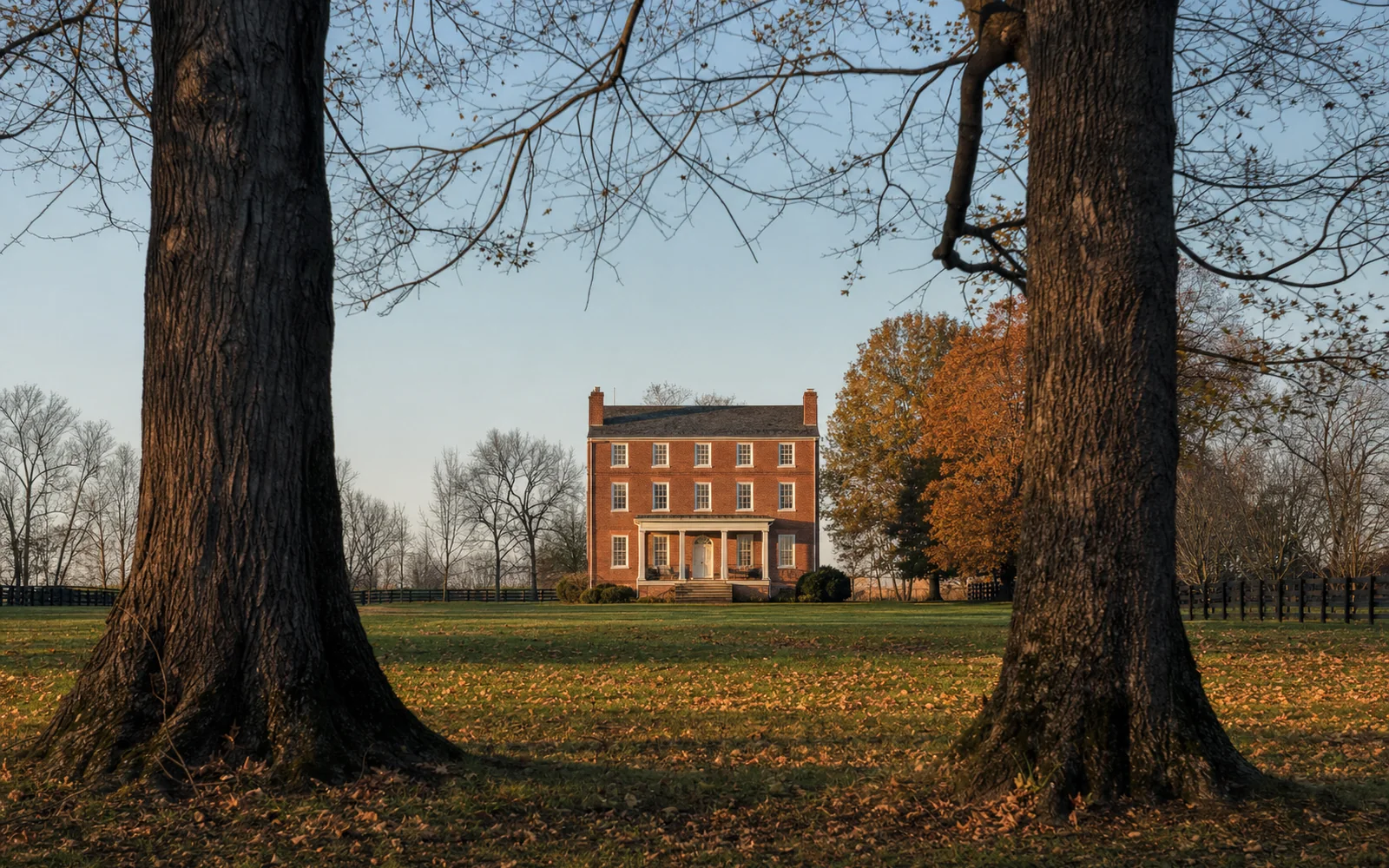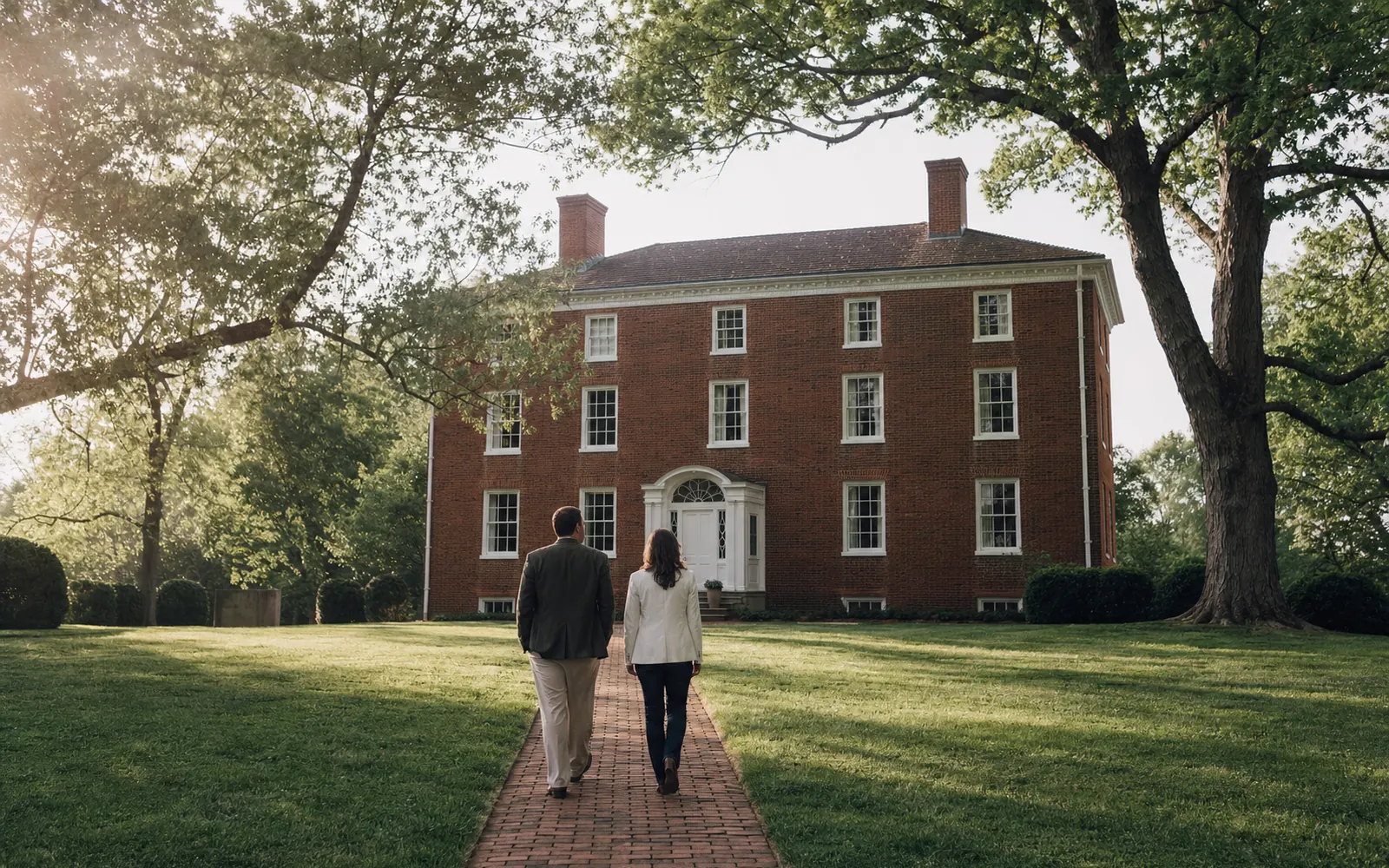
Federal Hill is the three-story brick mansion a mile east of Court Square that Kentucky knows as My Old Kentucky Home. It was built for Judge John Rowan, a hot-tempered lawyer who became a U.S. senator, and his wife Ann Lytle Rowan, starting with a rear wing in 1795 and finishing the main house in 1818 with enslaved labor. The Rowans kept it for more than a century before selling it to the state in 1922. You can tour it daily on the hour, and the tour tells both the family’s story and that of the people they enslaved.
Who was John Rowan?
John Rowan was born July 12, 1773, near York, Pennsylvania. He made his name as a lawyer, and Bardstown, as a county seat, was the place to practice it. He belonged to the Pleiades, a debating club of Bardstown lawyers that also counted Felix Grundy and future governor Charles A. Wickliffe, according to his Wikipedia biography.
His career nearly ended early. A dispute over a drunken card game turned into a duel, and Rowan killed his opponent, a scandal that nearly ended his political career. He survived it and rose to become a judge and a U.S. senator. The house carried the prestige he wanted: a big Federal-style home on a hill, with guests who reportedly included the Marquis de Lafayette, Andrew Jackson and Henry Clay. Rowan died on July 13, 1843, the day after his 70th birthday, and is buried on the grounds.
How the house was built
The land was a wedding gift from Ann’s father, originally about 1,200 acres. The rear ell went up in 1795. The five-bay, three-story main block followed and was finished in 1818 “using slave labor,” as the park’s history puts it plainly. Brick was fired on site and laid in Flemish bond; inside are 13-foot ceilings and ash floors, and mantels and windowsills “finely carved by a free black craftsman.” The house covers 7,501 square feet.
Federal Hill was long called Kentucky’s first brick house. It is not; the William Whitley House of 1794 now holds that title. It is still one of the finest Federal houses in the state, and our architecture guide explains what makes the style.
In 1839 fire damaged the third story and roof. Alexander Moore, who had done the original 1818 woodwork, came back to repair it.
The people the Rowans enslaved
The state park has done serious work here, and its page on the enslaved at Federal Hill is worth reading before you go. Judge Rowan enslaved at least 54 people over his lifetime, in nine family groups, with a documented peak of 39 people in 1830. The park names them: Andrew and Jenny’s family of 11, including Louisa, Julia, David and Andrew Jr.; Jesse and Harriet’s family; Abraham and Louisa’s; Ignatius and Ellen’s; and others, among them Mack, born in 1820 with a club foot, who became a boot and shoe maker.
A historical marker on the grounds lists names beside appraised dollar values, which lands harder than any paragraph can. The slave houses no longer stand, but a burial ground for enslaved men, women and children lies southwest of the mansion near the old sugar camp. The park also notes that members of the Rowan family were divided, some supporting slavery and some opposing it. Our Black history in Bardstown page connects this to the town’s wider story.
After the judge: the Rowan heirs
John Rowan Jr. inherited the house and died in 1855. His widow, Rebecca Carnes Rowan, lived there until 1897, and the house then passed to their daughter, Madge Rowan Frost. She sold it in 1922 to the My Old Kentucky Home Commission.
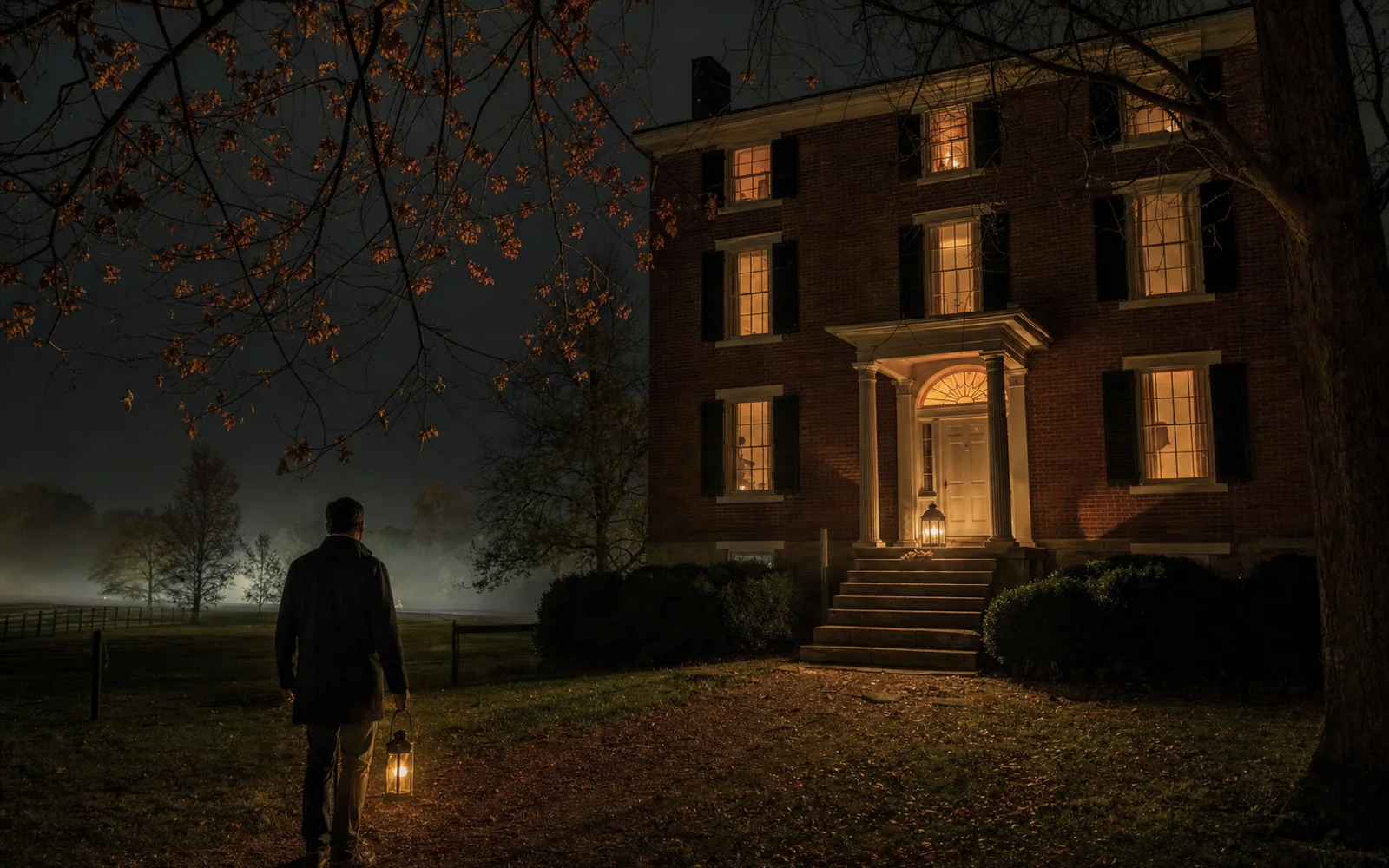
Tragedy runs through the family story. Kentucky Tourism’s piece on Bardstown’s spooky places recounts a cholera outbreak that killed eight family members and eight enslaved people within 24 hours, and an adult son who died after a fall from a bedroom window. Visitors report a grieving mother’s ghost; the park leans into that each October with lantern-lit tours.
How Federal Hill became My Old Kentucky Home
The house became famous because of a song. Stephen Foster was a cousin of the Rowans, and by the early 1900s the story that he had visited Federal Hill and written “My Old Kentucky Home” there was firmly attached to the house. Historians have never confirmed that he visited at all, and our Stephen Foster and the song page lays out the evidence.
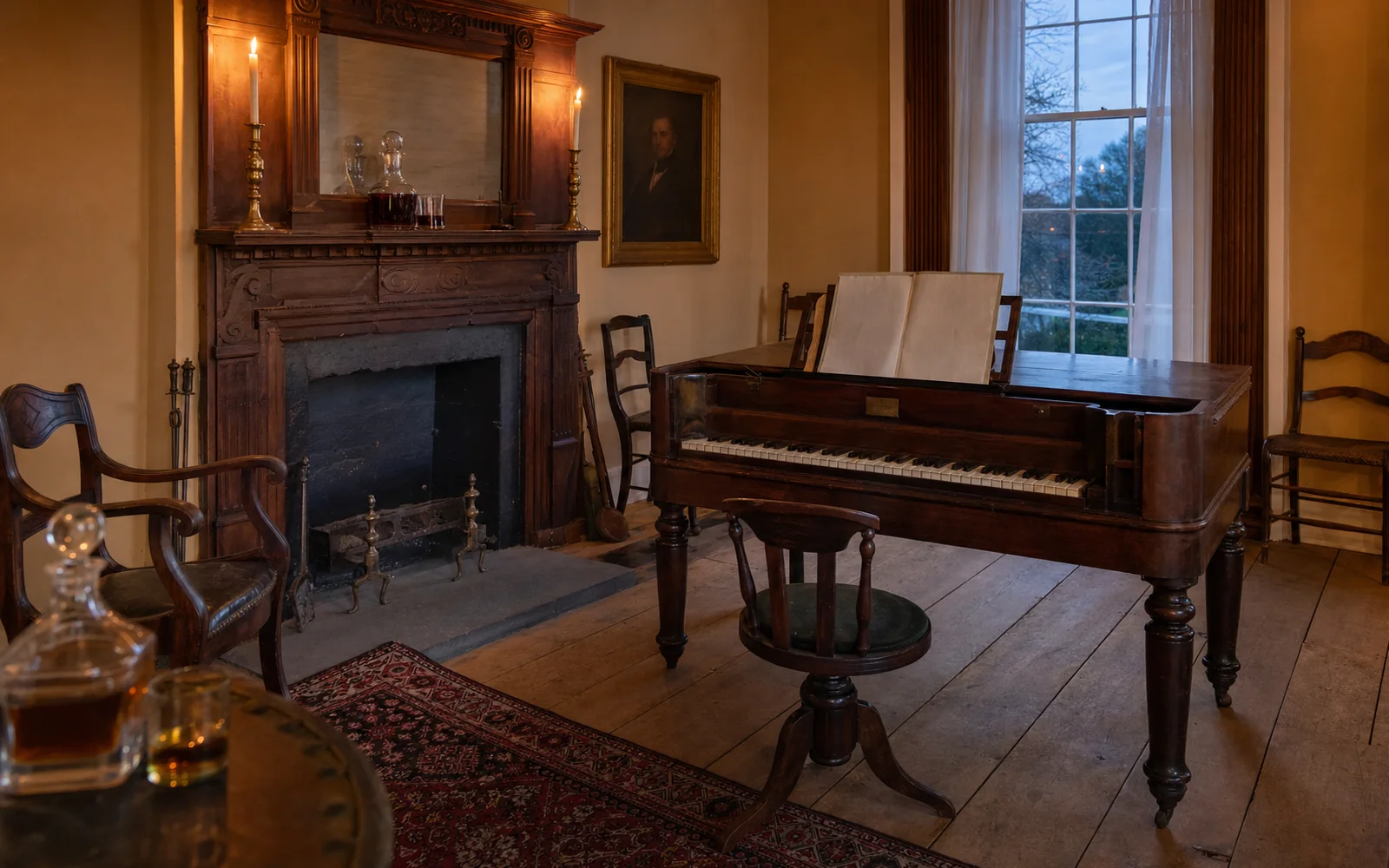
The legend did its work anyway. The state dedicated the house as “My Old Kentucky Home” on July 4, 1923, moved it to the Division of State Parks in 1936 and saw it listed on the National Register in 1971. About 85 percent of the furniture belonged to the Rowans. Renovations followed in 1977 and 2006, the second paid for by an anonymous donor at nearly $1 million. The house appeared on a 29-cent stamp in 1992 and on Kentucky’s state quarter, unveiled at the park on October 18, 2001.
Visiting Federal Hill
Tours run daily from 9 a.m., every hour on the hour, with the last at 4 p.m. Eastern (Wednesday to Sunday only from January 2 to March 15), per the official hours page. Adults pay $18, seniors 62 and up $15, ages 6 to 17 $12, veterans with ID $14, and children 5 and under are free, per the admission page. A guide sings “My Old Kentucky Home” on every tour, and it is the moment people talk about afterward. Tours cap at 25 people, first come, first served, so on October weekends buy your ticket as soon as you arrive and explore the grounds while you wait.
Add-ons change seasonally: a $35 mint julep class, a $25 biscuit-making class and tour-plus-lemonade or cider combos at $20. In 2026 the park runs themed months: “A House Divided” on the family’s Civil War connections in September, “Weep No More” on Victorian mourning in October, and the Shadows of Federal Hill lantern tours on October 23 and 24. The house closes Thanksgiving, Christmas Eve, Christmas Day, New Year’s Eve and New Year’s Day.
The park is at 501 E. Stephen Foster Ave., about a mile east of Court Square, a few minutes’ drive, with parking at the park. The mansion has two floors with stairs; call the park at (502) 348-3502 about access before you go.
Is the Federal Hill tour worth it?
Yes, and not only for the song. The furniture is overwhelmingly the Rowans’ own, so the rooms feel lived in rather than staged, and the guides handle the hard parts of the story, slavery and the family’s deaths, without flinching or lecturing. The singing moment lands because it comes after you have heard whose labor built the house. Allow about an hour for the tour and a short walk of the grounds, more if you want to find John Rowan’s grave and the enslaved burial ground.
Where to stay nearby
Several downtown motels line East Stephen Foster Avenue between Court Square and the park, and the Old Bardstown Inn sits across from the park entrance, handy for an early tour. The park’s campground has been closed for a rebuild, so check its status before you plan to camp. Our where to stay in Bardstown guide compares downtown, the bypass and the countryside.
Pair it with
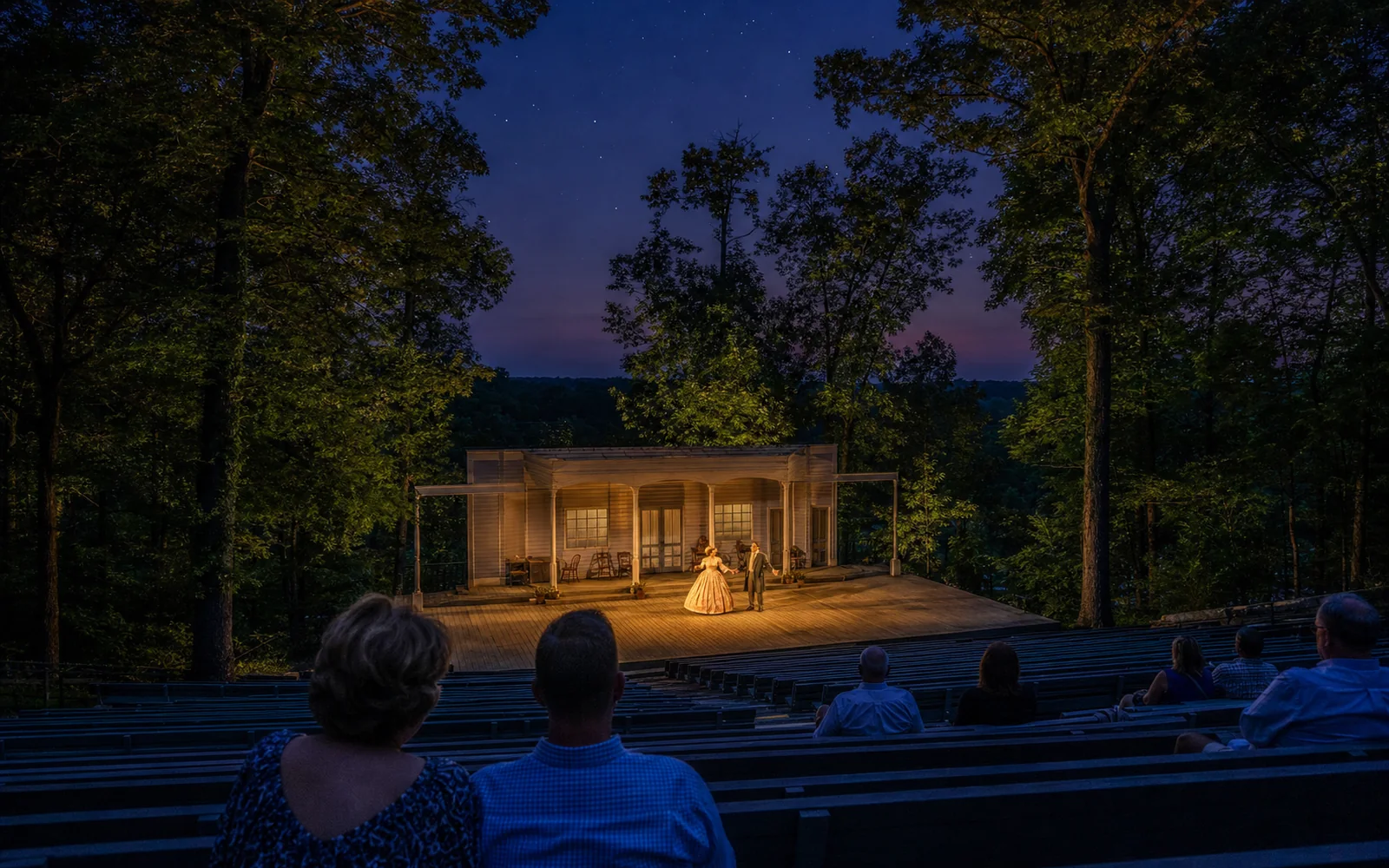
Tour the house at 10 a.m., walk the grounds and the enslaved burial ground, then drive back downtown for lunch. On a summer evening, come back for The Stephen Foster Story in the park’s amphitheater, where several of the mansion’s singing guides perform. For golf, camping and the full grounds, see our My Old Kentucky Home State Park guide.