Bardstown is one of the rare American towns where the history is still standing in brick and limestone, and most of it sits within a few blocks of Court Square. Settled in 1780 and made the seat of Nelson County in 1784, it grew into the first Catholic see west of the Appalachians, a lawyers’ town that produced governors and senators, and the home of the mansion that gave Kentucky its state song. Start at the square, walk out in any direction, and you will pass buildings older than most states.
Why Bardstown’s history is worth a trip
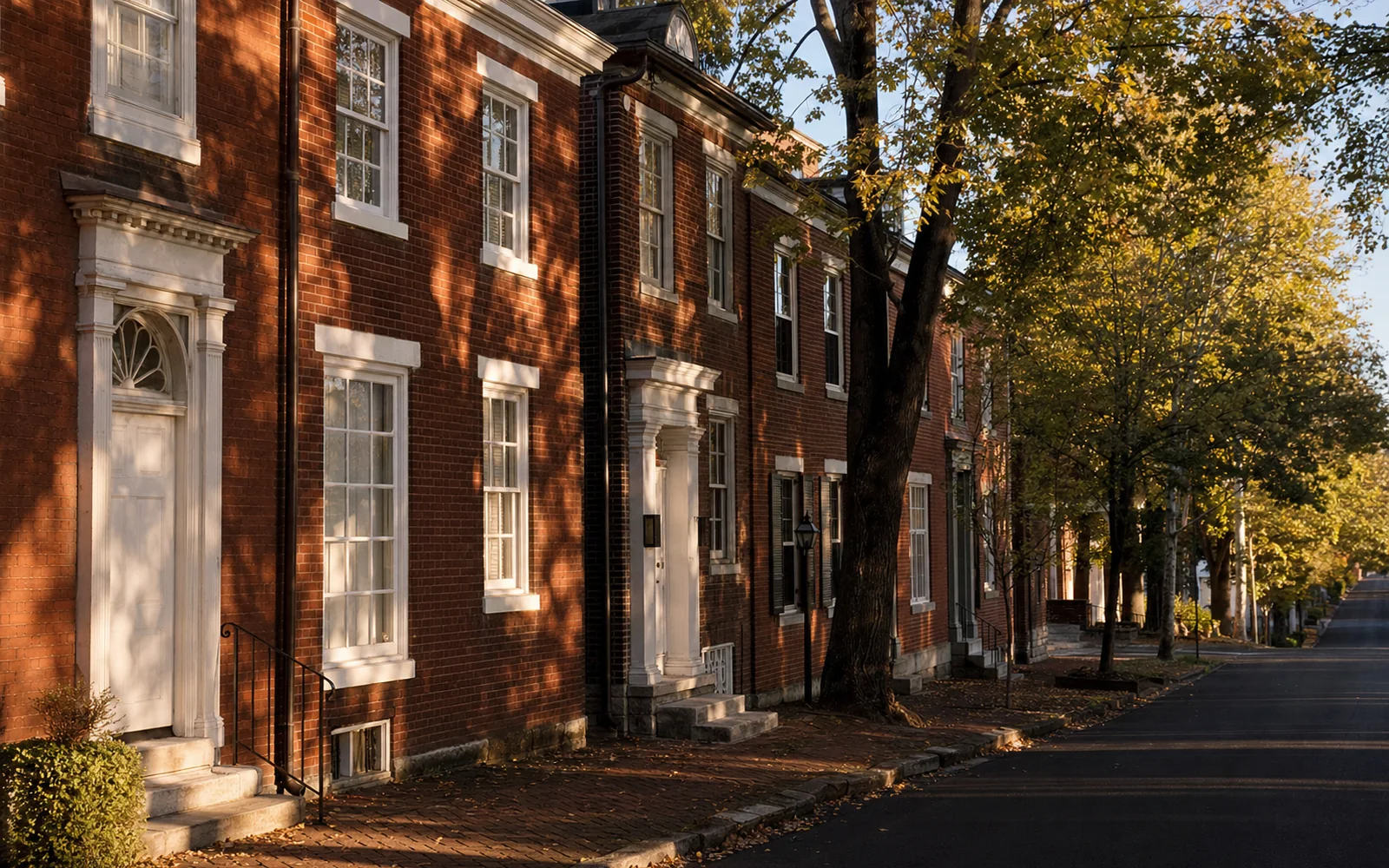
The Bardstown Historic District covers 26 blocks and 279 properties, with Georgian and Federal buildings dating from the 1780s to 1850. It is not a museum village; people live and work in these houses, which is exactly the appeal. You can eat lunch in a stone tavern from 1779, sleep in a jail from 1819, hear Mass in a cathedral whose cornerstone was laid in 1816, and walk to a Federal-style mansion where a singing guide still performs “My Old Kentucky Home” on every tour.
The town also tells some of the best stories in Kentucky, and a few of them are better than true. A French prince painting murals, Old Master paintings sent by a king, Jesse James taking potshots at painted birds: you will hear all three. The pages in this section tell them the way a good local would, legend first and evidence second, with none of the fun lost.
Where to start
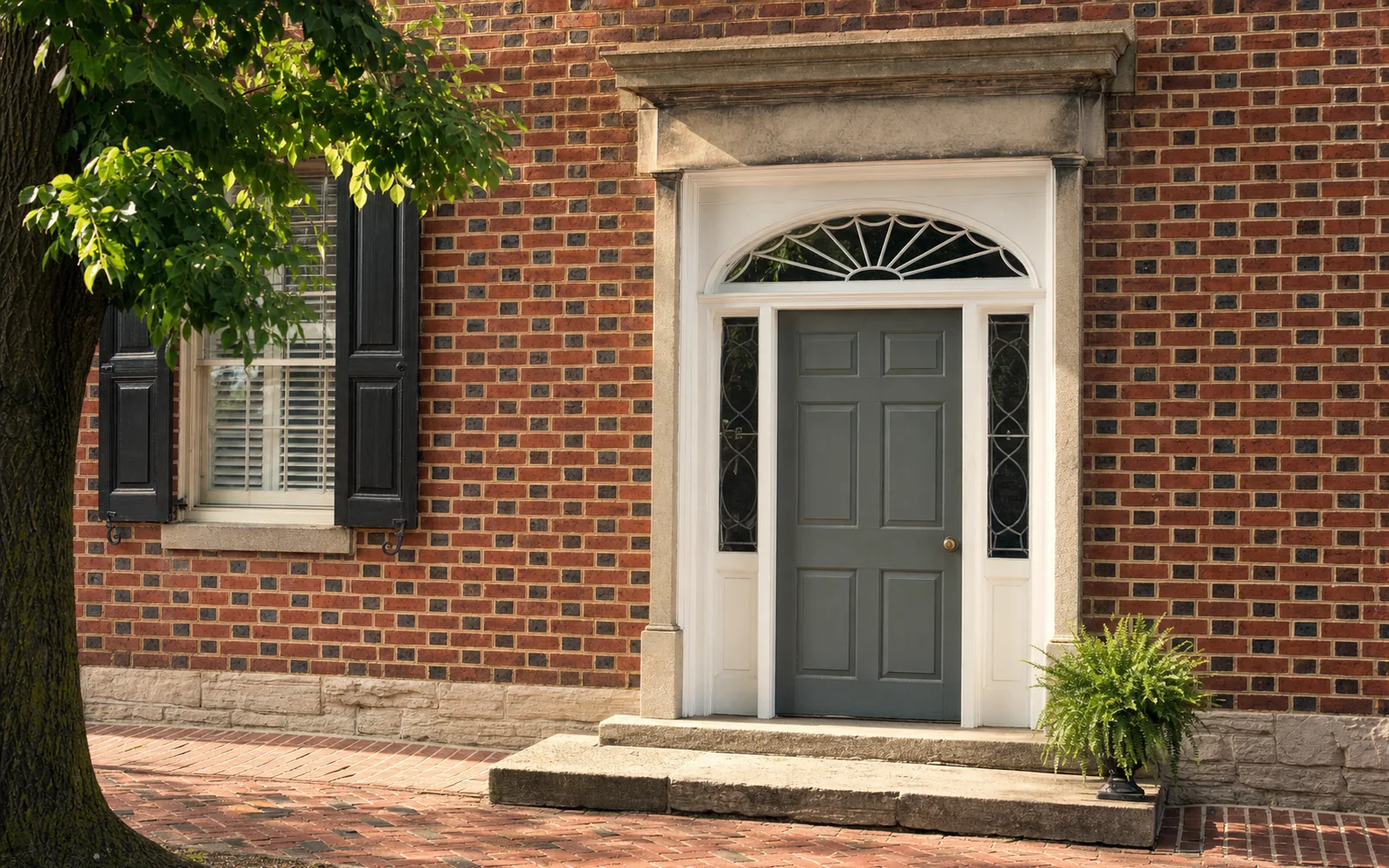
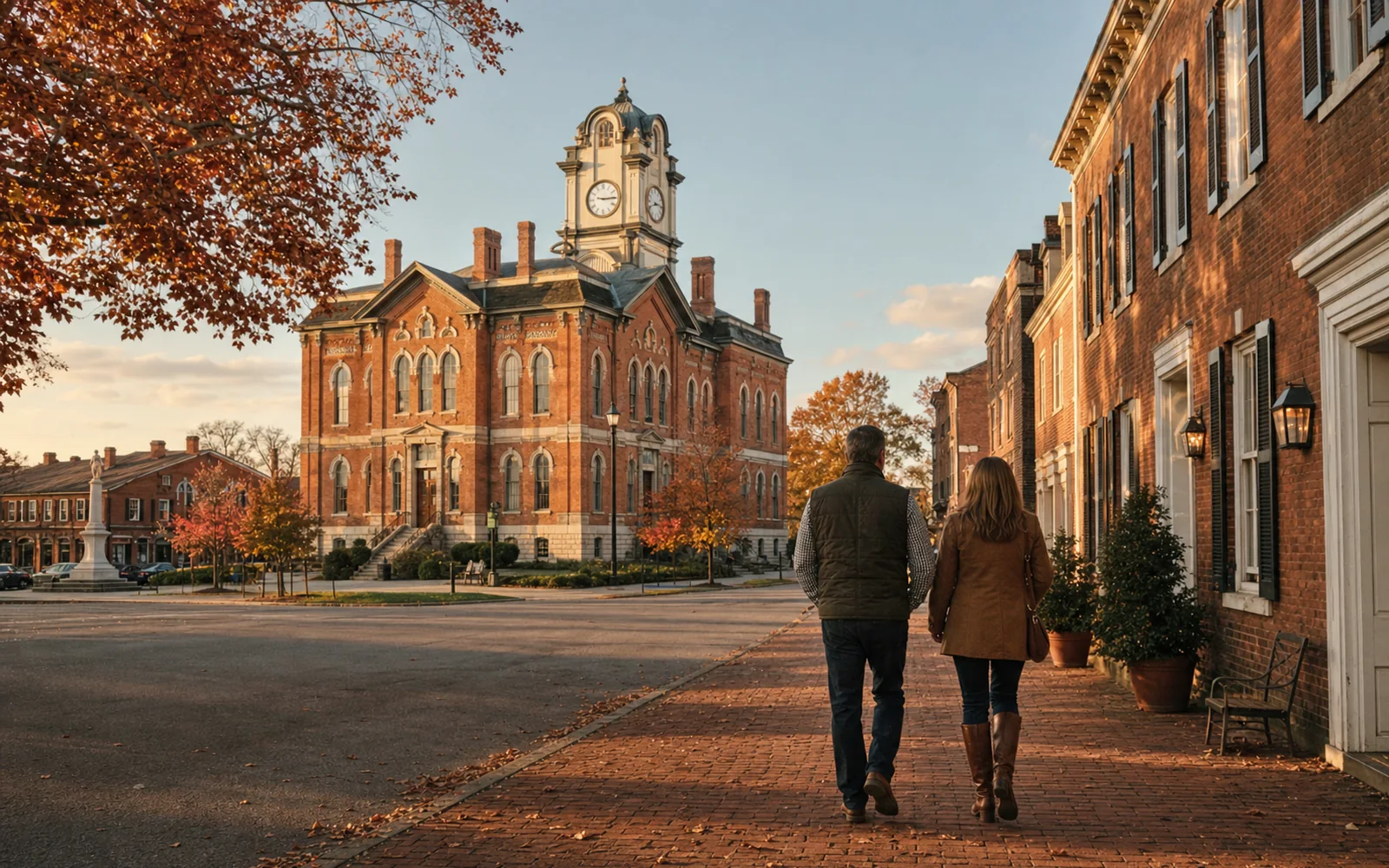
Begin at the visitor center inside the old courthouse on Court Square, where Visit Bardstown keeps maps and can tell you what is open that day. If you like context before you walk, read the Bardstown history timeline over coffee; it runs from the first settlers to the 2026 bourbon boom in one scroll. Then follow our self-guided walking tour, and read what to look for in the historic district so the Flemish bond brick and fanlights start jumping out at you.
The landmarks at a glance
| Landmark | Date | Why go | Cost |
|---|---|---|---|
| Federal Hill (My Old Kentucky Home) | 1795 to 1818 | Hourly guided tours with a singing guide | Adults $18 |
| Basilica of St. Joseph Proto-Cathedral | 1816 to 1823 | First cathedral west of the Alleghenies, European paintings | Free |
| Old Talbott Tavern | 1779 | Stagecoach inn, murals, bourbon bar, burgoo | Price of lunch |
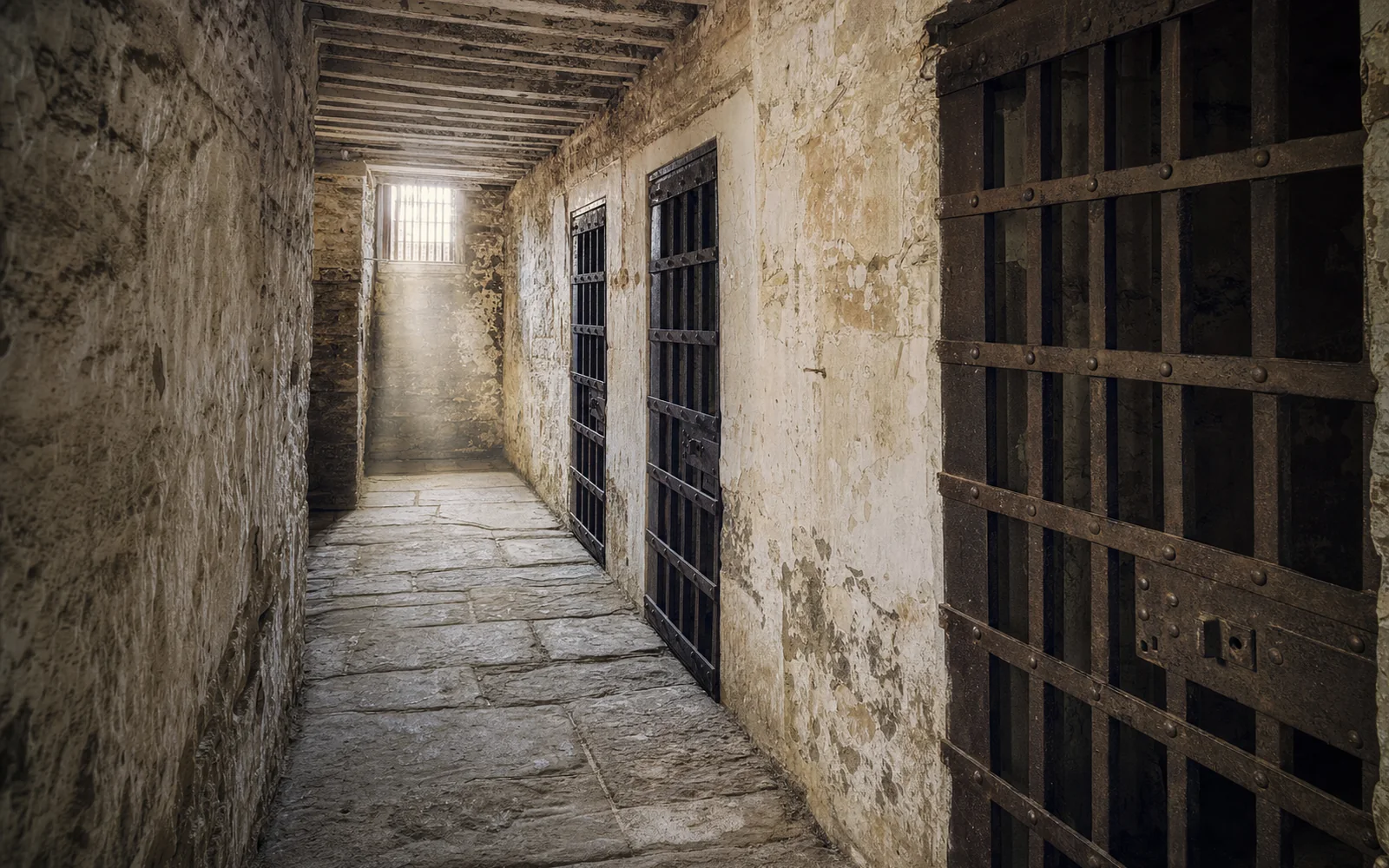
| Old Nelson County Jail (Jailer’s Inn) | 1819 and 1874 | Unrestored stone back jail | Call for tour price |
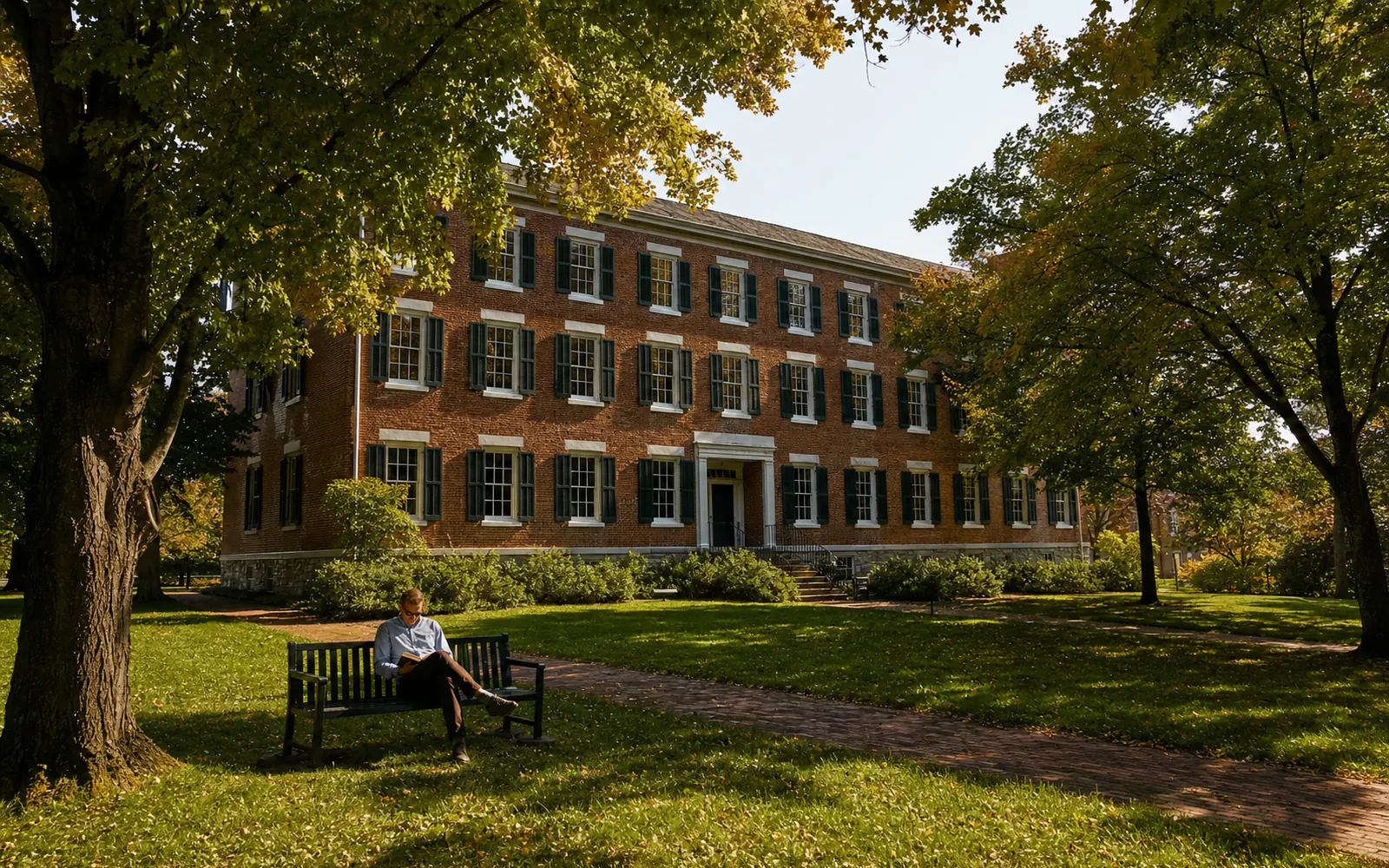
| Spalding Hall | 1826, rebuilt 1839 | Old college, now the free Getz Museum | Free |
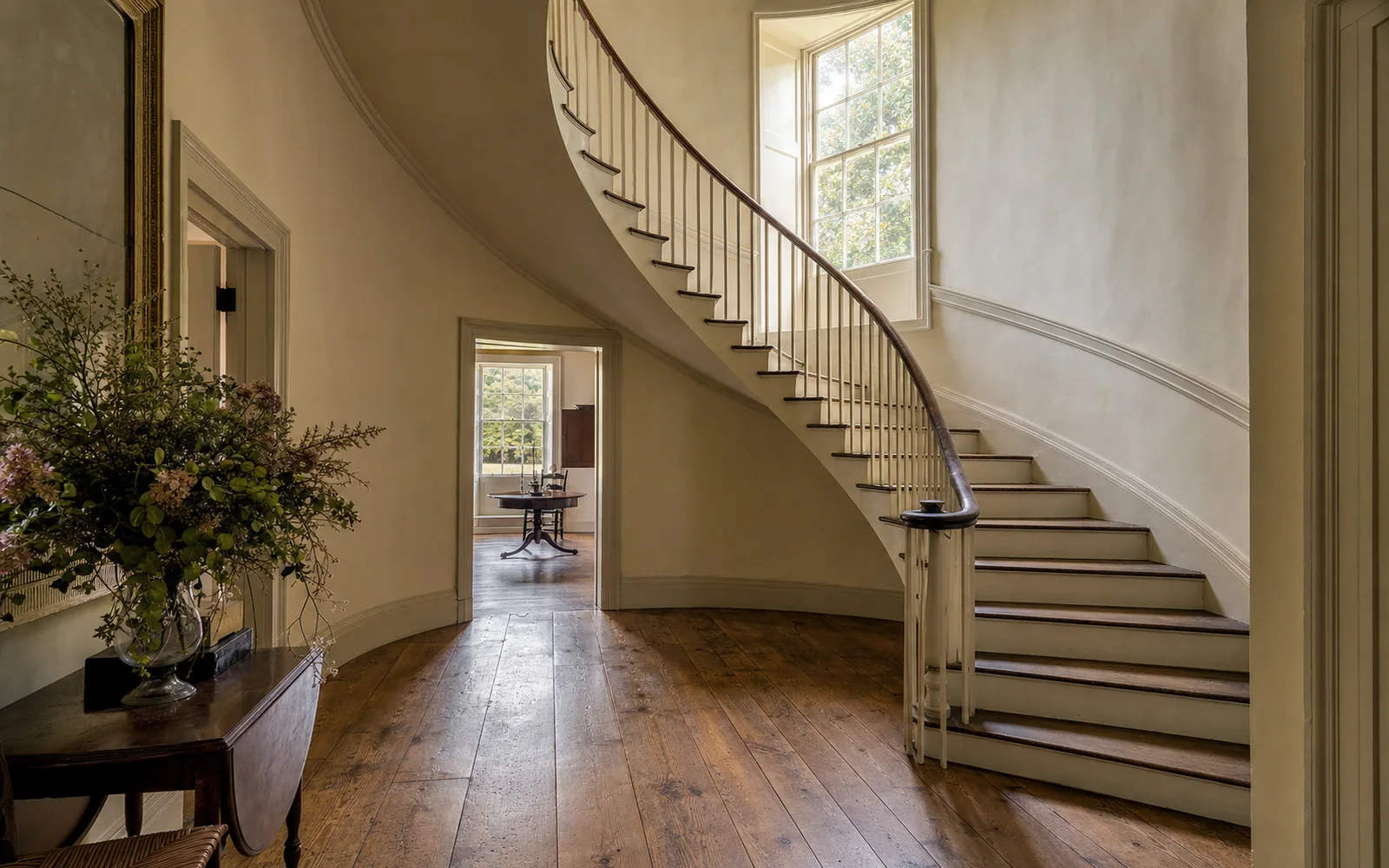
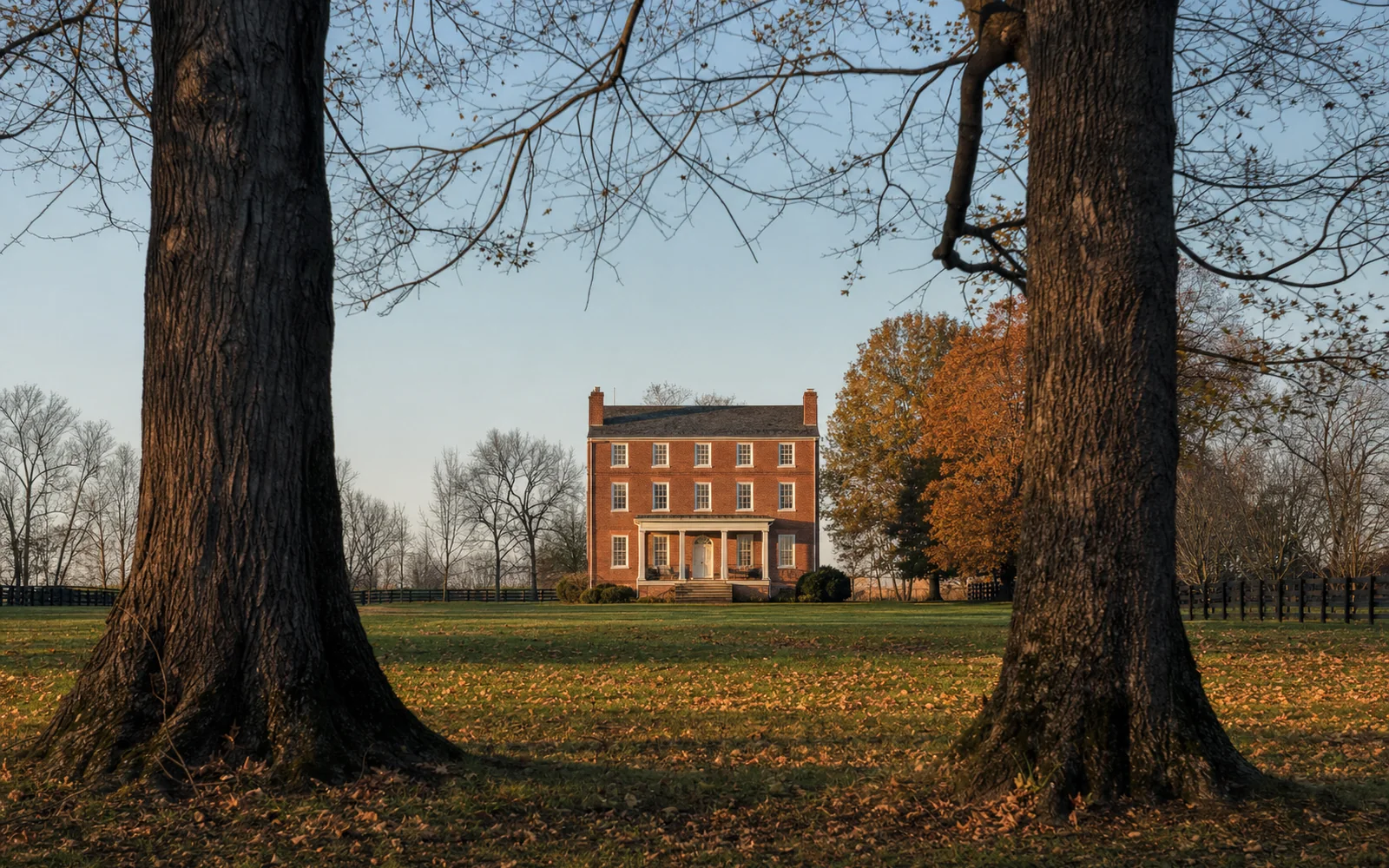
| Wickland | 1813 to 1817 | Home of three governors, floating staircase | 2026 tours unconfirmed; call first |
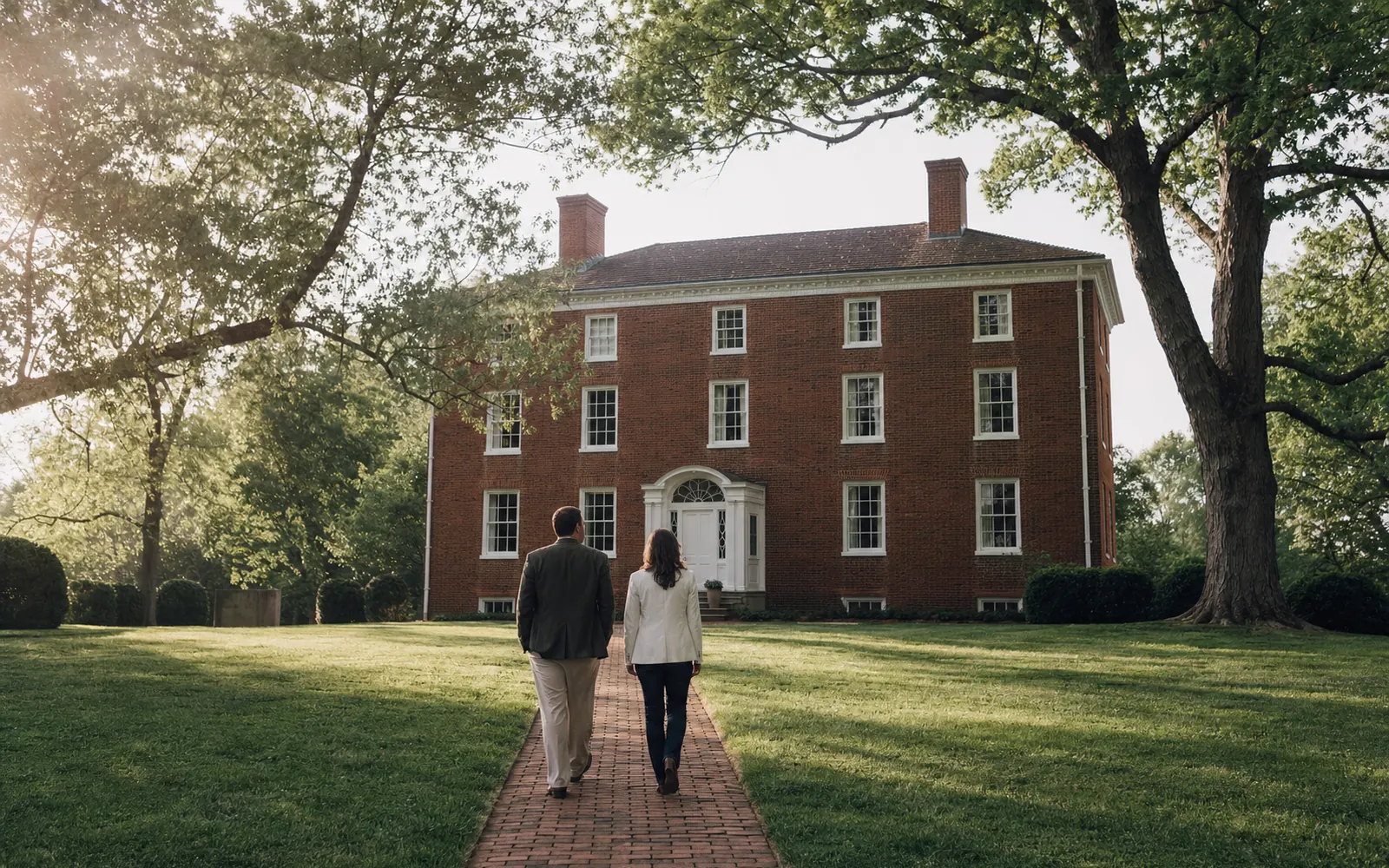
Federal Hill is the big one. Judge John Rowan’s three-story brick house, finished in 1818 with enslaved labor, is now My Old Kentucky Home State Park, and our page on Federal Hill and the Rowans covers the family, the duel and the people the Rowans enslaved. The companion piece on Stephen Foster and the song explains the 1853 ballad, the legend of his visit and the 1986 lyric change.
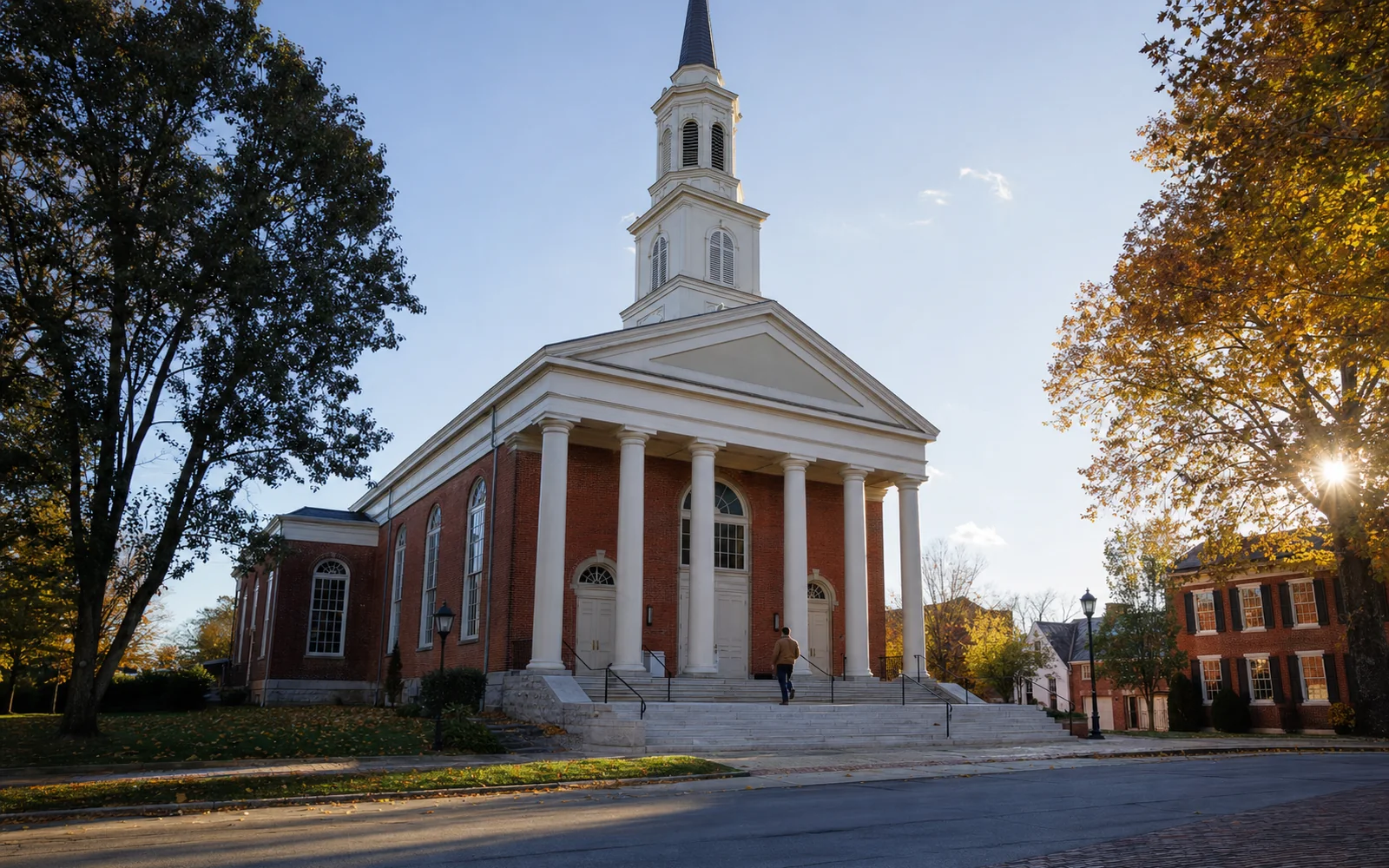
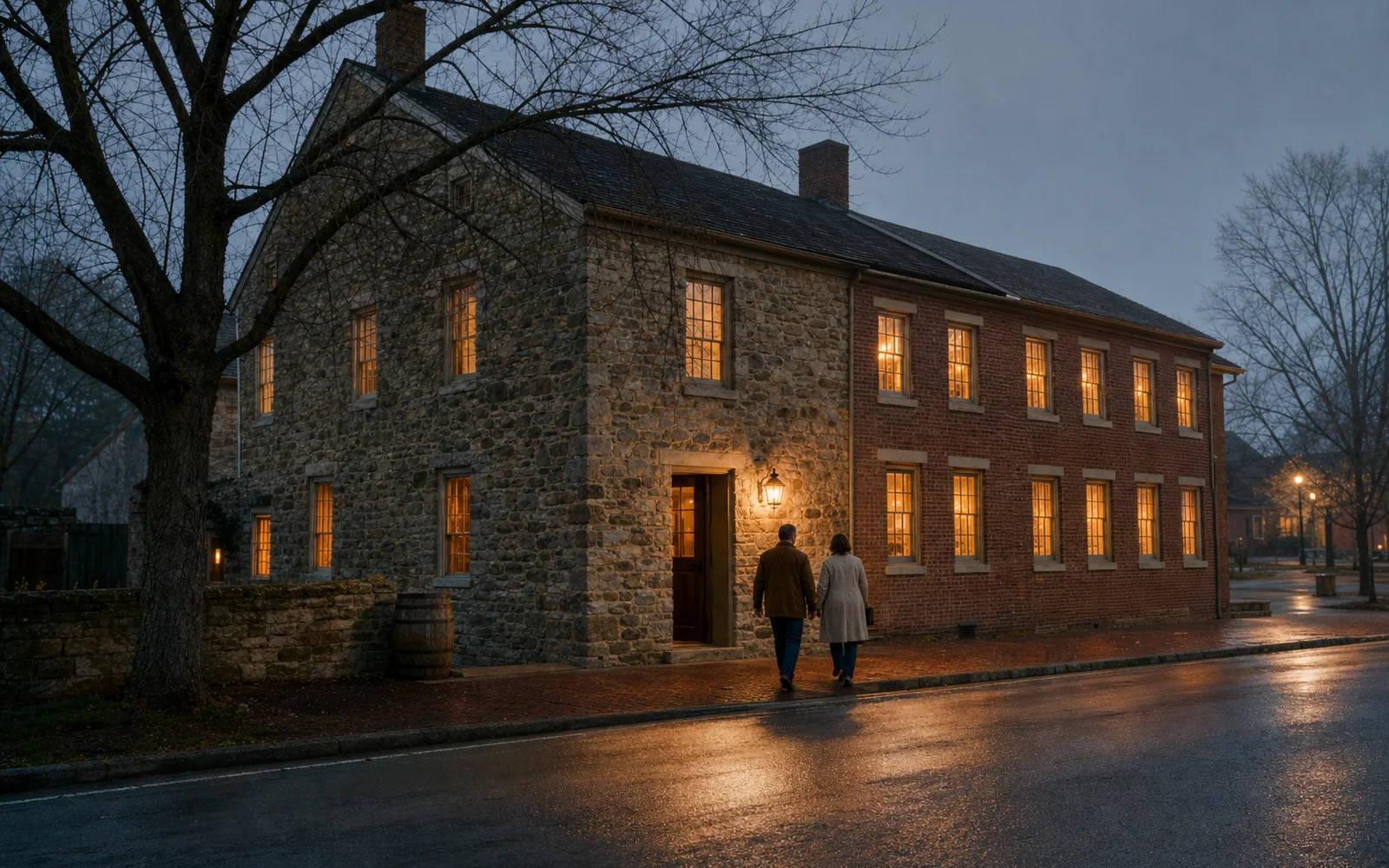
Downtown, the Basilica of St. Joseph Proto-Cathedral was the seat of a diocese that in 1808 stretched across the whole frontier, and Spalding Hall next door has been a college, a Civil War hospital and a prep school. On Court Square, the Old Talbott Tavern and the old jail stand almost wall to wall. East of town, Wickland produced three governors from one family. Each has its own page in the menu above.
Heritage beyond the square
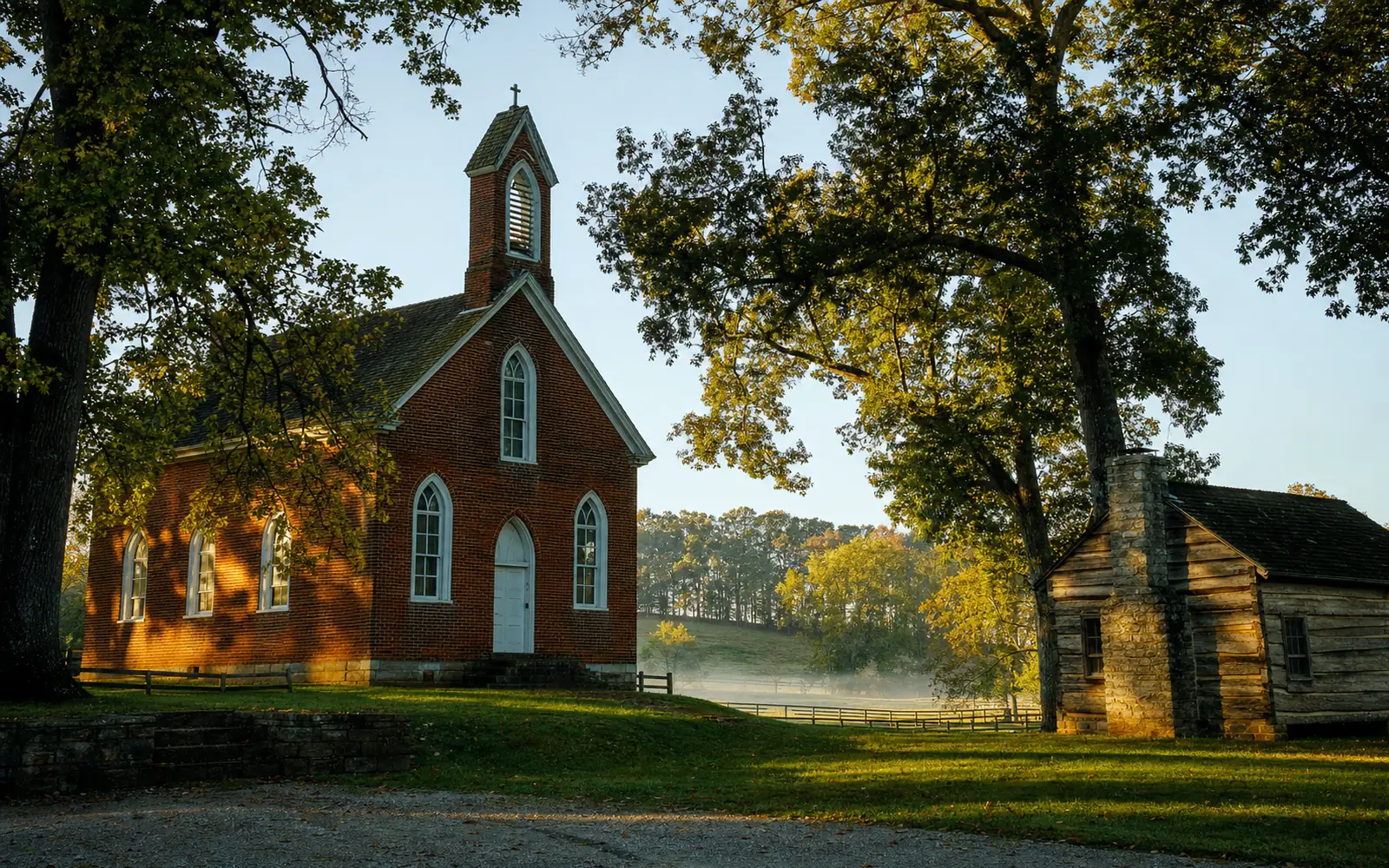
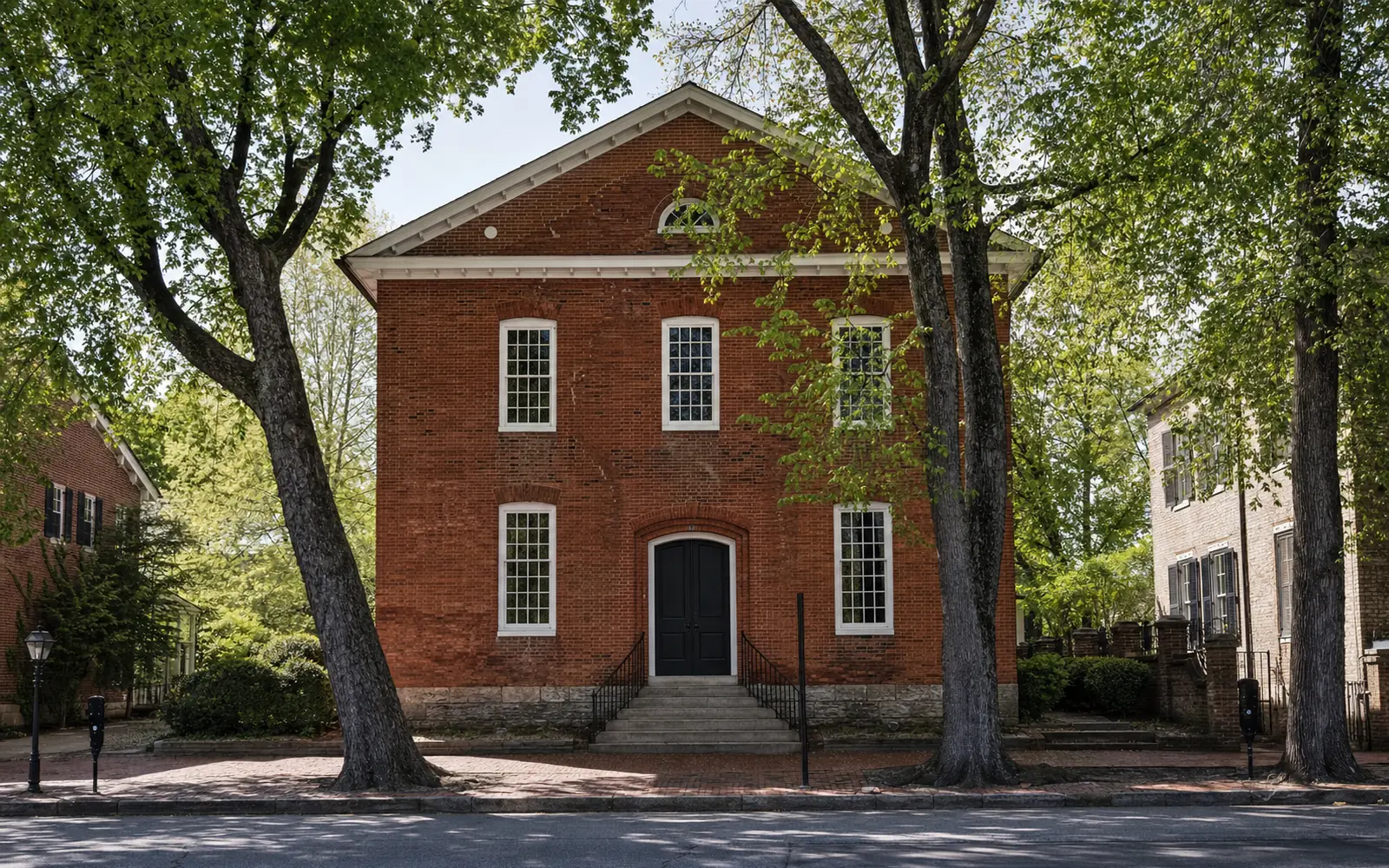
Bardstown’s story is also a Black story and a Catholic one. Union Church, built in 1812 and described as the first two-story brick church west of the Appalachians, now houses the African American Heritage Museum, founded in 2017 by Bill Sheckles, the town’s first African American mayor. Our guide to Black history in Bardstown covers the enslaved families of Federal Hill, journalist Daniel Rudd and Bishop Alexander Walters.
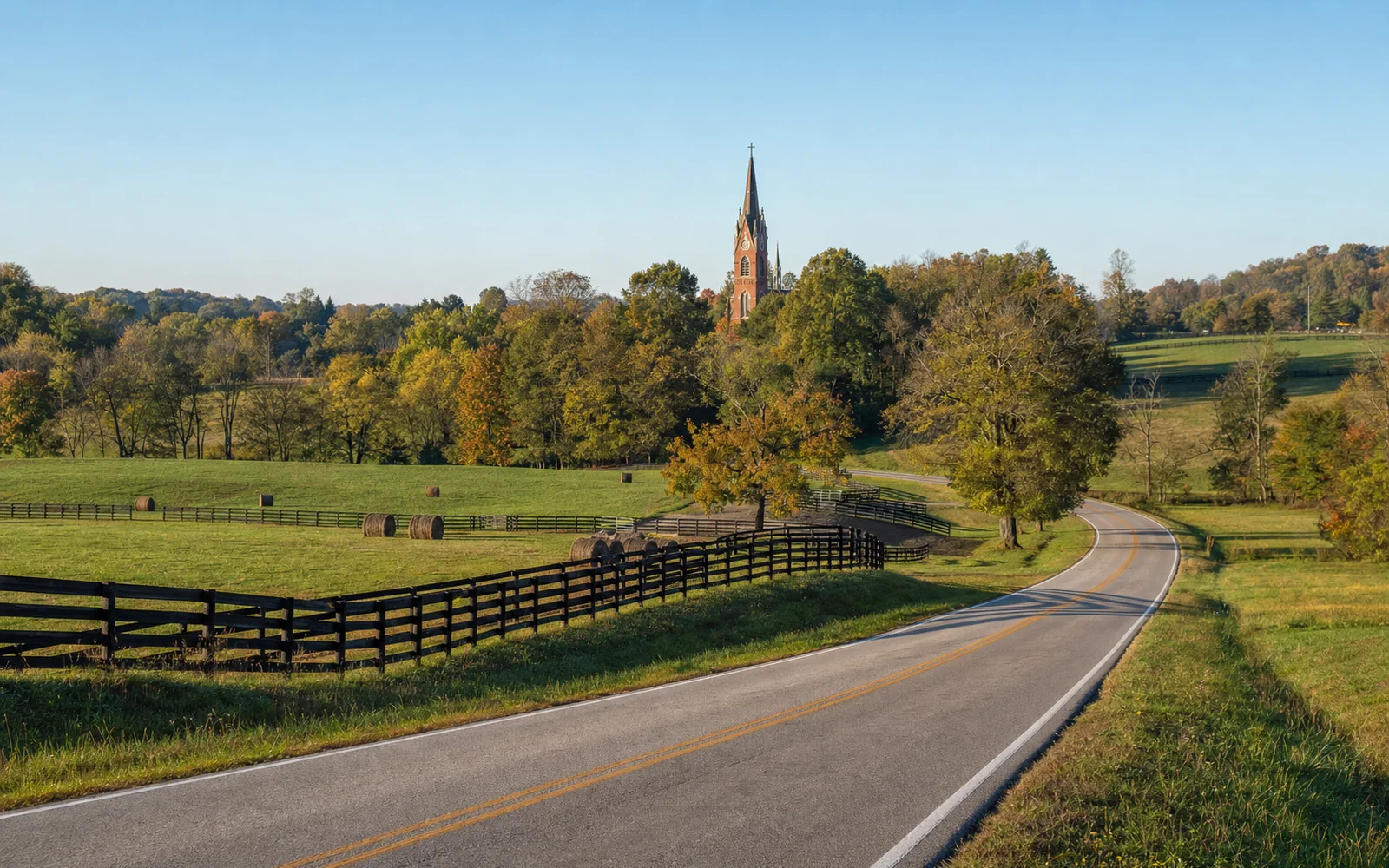
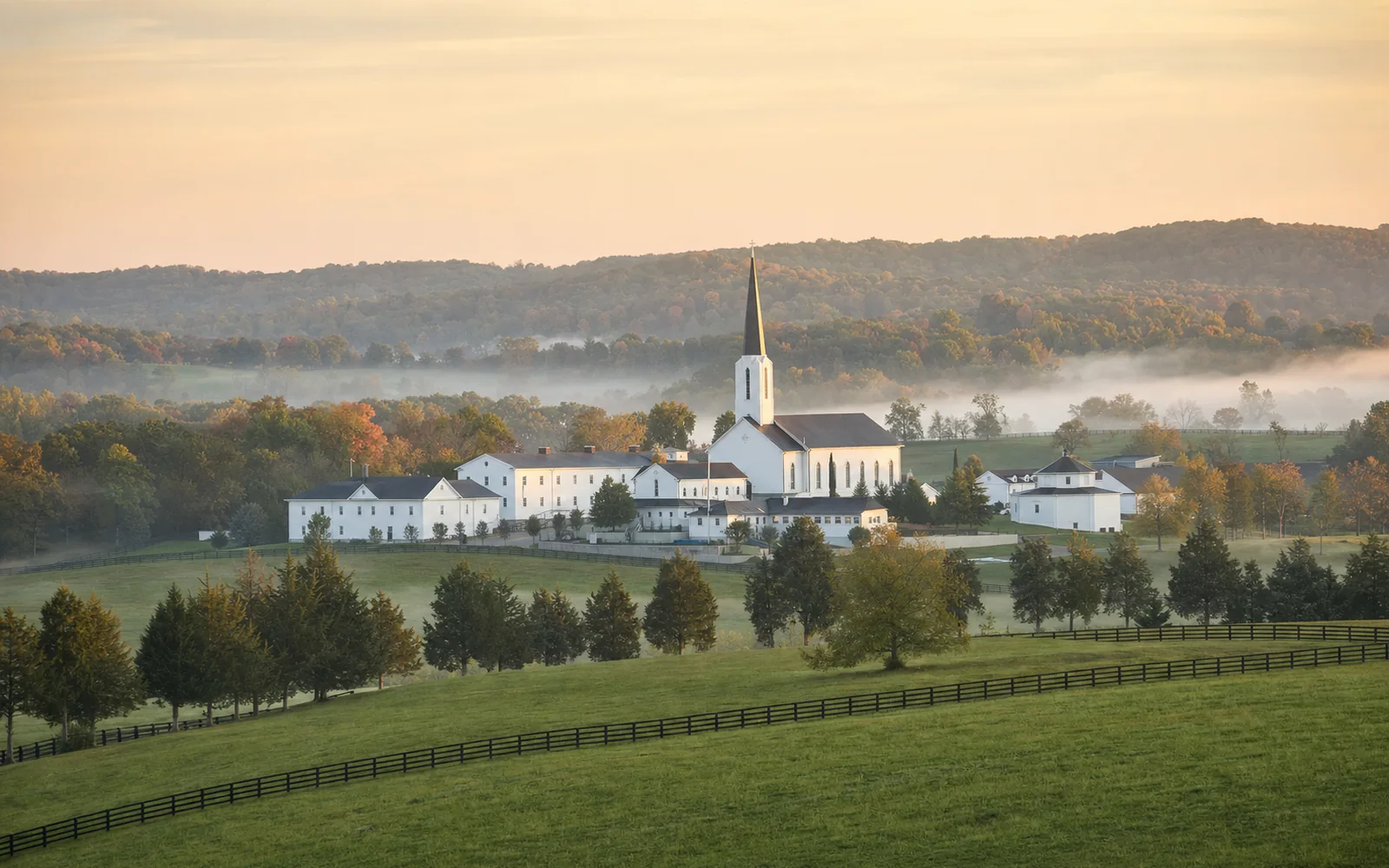
The Catholic thread leads out of town, to St. Thomas, Nazareth, Loretto and the Trappist monks at Gethsemani, a loop known as the Kentucky Holy Land. The Civil War thread runs through the fall of 1862, when Confederate and Union armies passed through on the way to Perryville; the museums on Broadway keep that story.
How to plan a history day
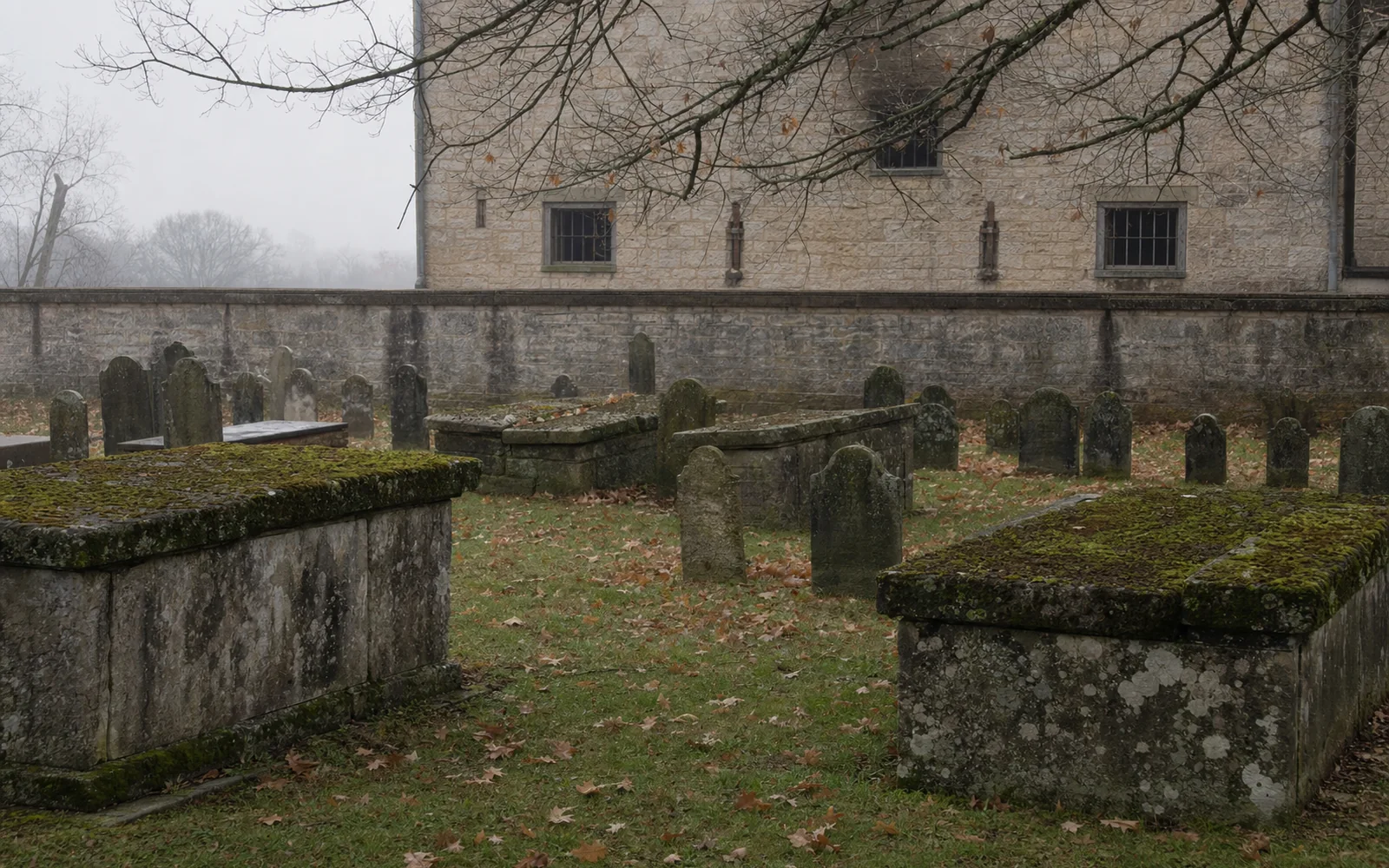
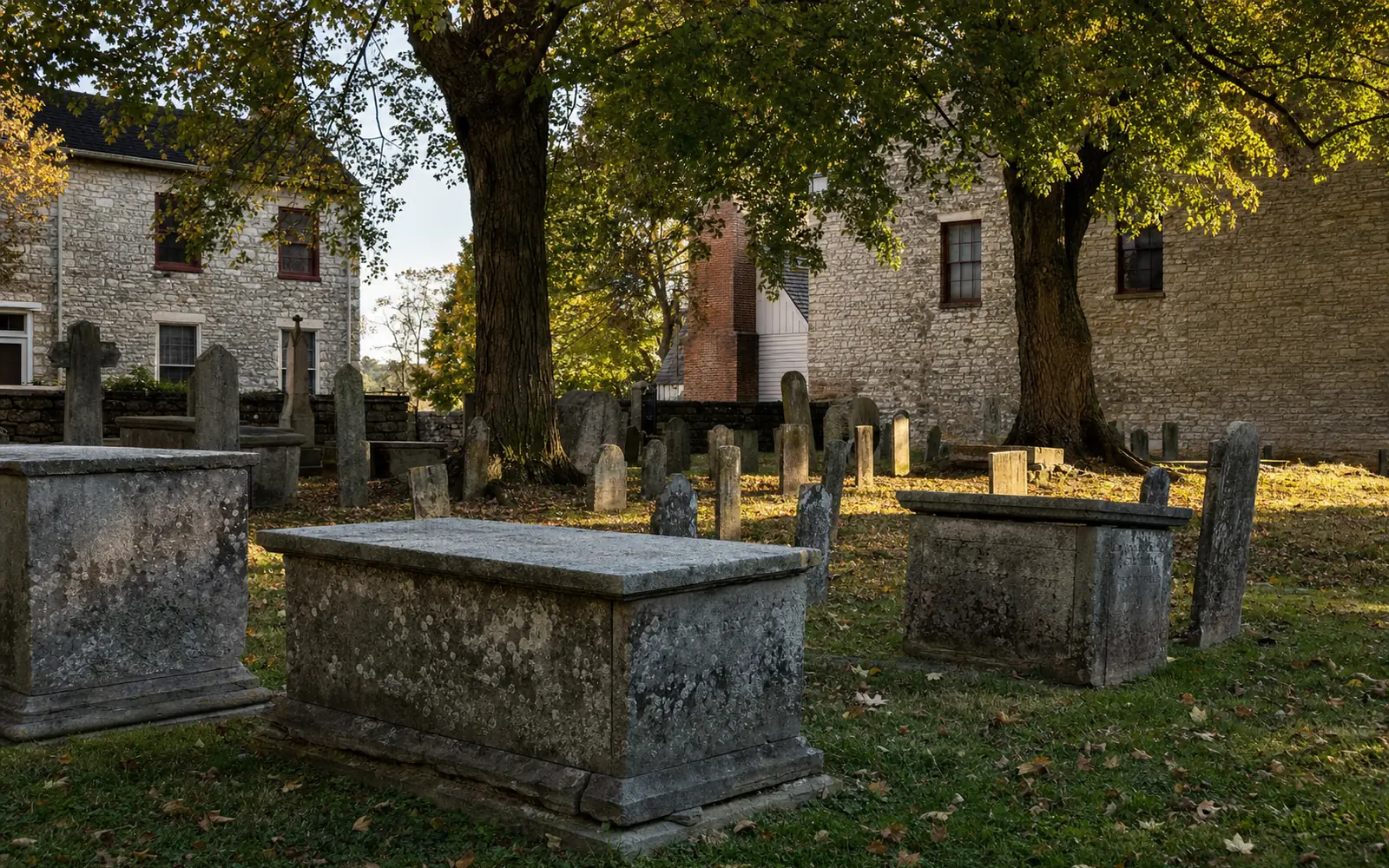
Tour Federal Hill first thing (tours run on the hour from 9 a.m. and cap at 25 people), then drive back downtown and park once. Walk the Proto-Cathedral and Spalding Hall before lunch at the Talbott, then spend the afternoon on Court Square, the Pioneer Cemetery and the jail. Downtown is flat and compact, so comfortable shoes beat a car.
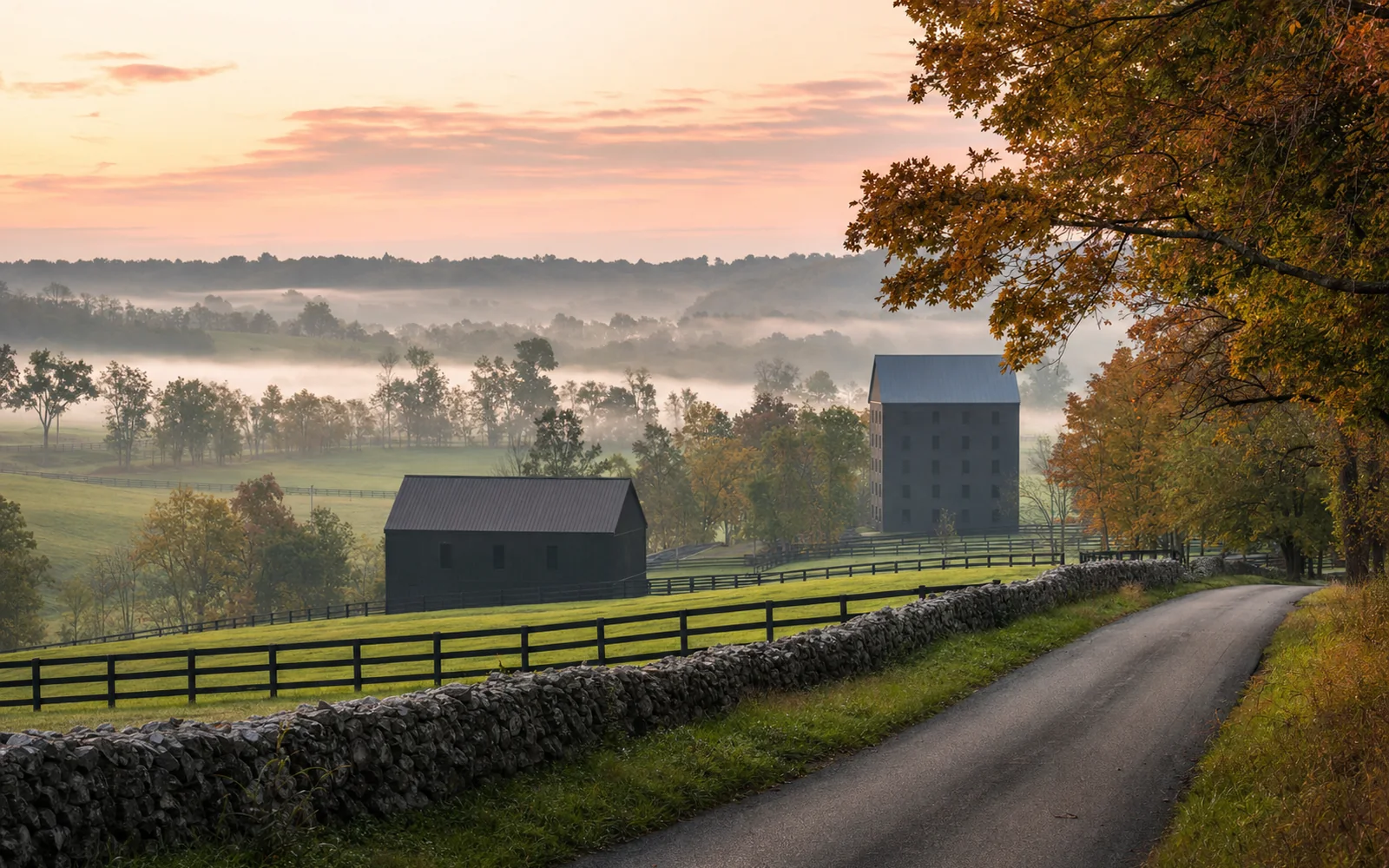
If you have a second day, go wider: Wickland (call first, since its tour schedule is unconfirmed), the Lincoln sites to the south and the monastery at Gethsemani. And bourbon is history here too; the history of bourbon in Nelson County picks up where the frontier leaves off. Fall is the prettiest season for all of it, with red brick under yellow maples, but book rooms early for September and October weekends.