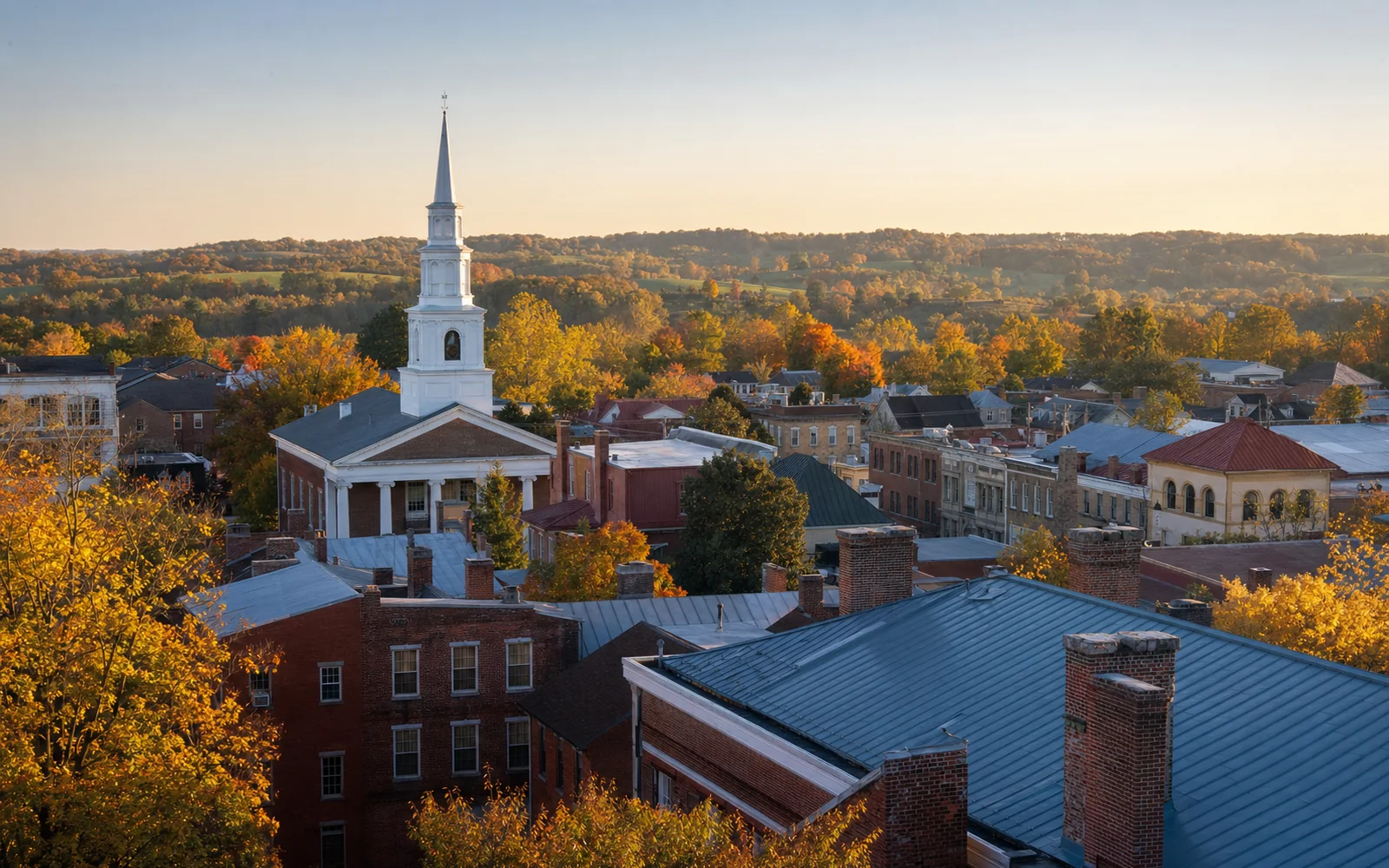
Bardstown was settled in 1780, became the seat of brand-new Nelson County in 1784 and was chartered in 1788, which makes it older than the Commonwealth of Kentucky itself. Over the next two centuries it became a frontier law center, the seat of the first Catholic diocese west of the Appalachians, a Civil War crossroads and, finally, the self-styled Bourbon Capital of the World. The timeline below puts every major date in order, with a link to the page that tells the full story.
Before the town: the frontier years
The land was surveyed and claimed while Kentucky was still a far-western county of Virginia. The name you see on the welcome signs took a decade to settle down: early records show Salem, Bard’s Town, Baird’s Town and Beardstown before “Bardstown” stuck around 1790, according to the Kentucky Atlas and Gazetteer as cited by Wikipedia.
The timeline, 1779 to 2026
| Year | What happened |
|---|---|
| 1779 | The stone eastern section of what becomes the Old Talbott Tavern is built, by the tavern’s own dating. |
| 1780 | First settlement, recorded as Bard’s Town. |
| 1784 | Nelson County is formed on November 29 from Jefferson County, the fourth county in what is now Kentucky, named for Virginia governor Thomas Nelson Jr. Bardstown is the county seat. |
| 1785 | David Bard receives a 1,000-acre land grant; his brother William surveys and plats the town. |
| 1788 | Chartered as “Baird’s Town.” |
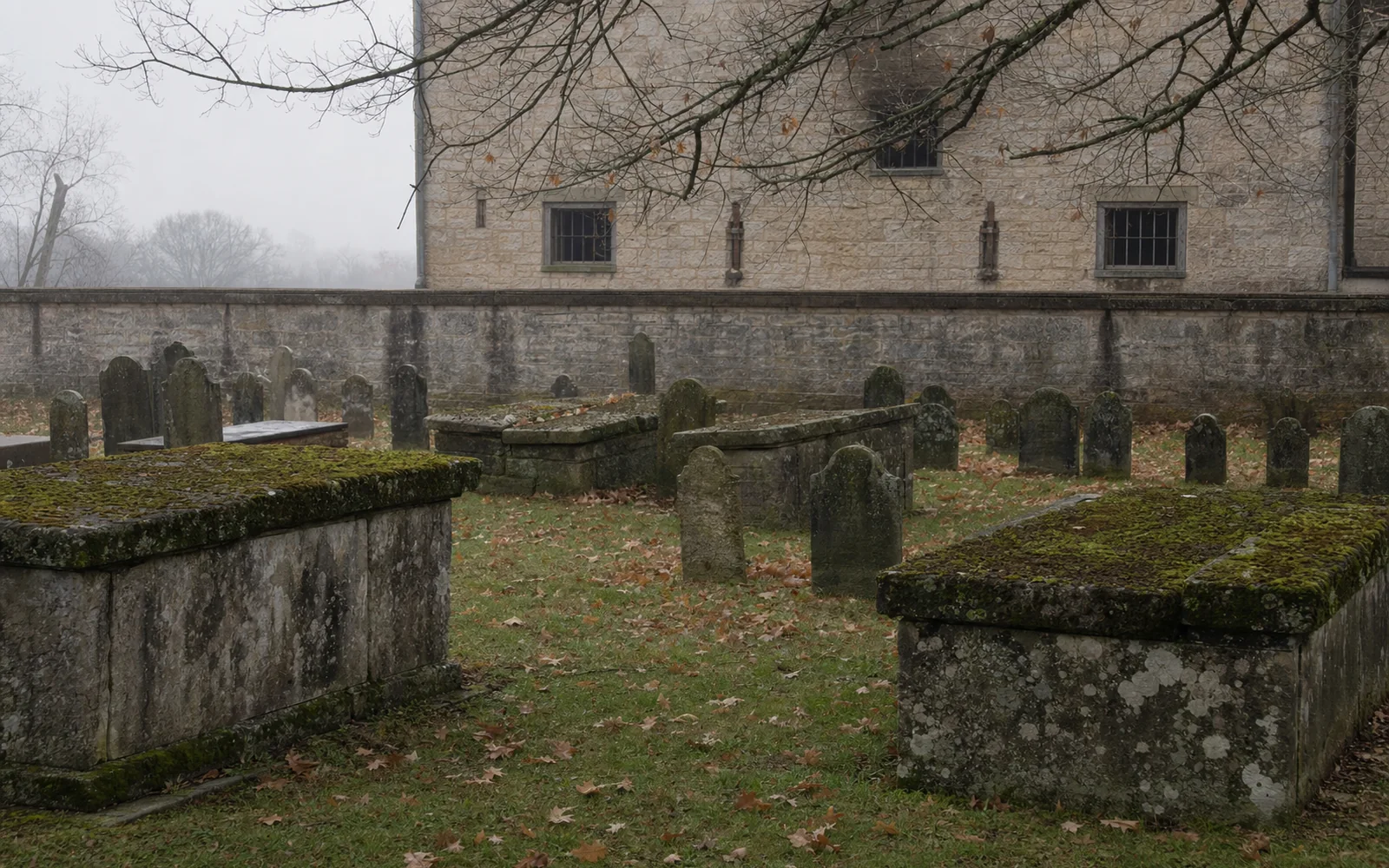
| 1789 | The Old Pioneer Cemetery behind today’s Jailer’s Inn is formally established. |
| 1792 | Kentucky becomes a state. Daniel Boone gives a deposition at the tavern in April, per the tavern’s history. |
| 1795 | The rear ell of Federal Hill, Judge John Rowan’s house, is built. |
| 1797 | Louis-Philippe, the future king of France, spends May 18 to 21 in “Beardstown,” which his diary says had “nearly 150 houses.” The county begins jailing prisoners on the site of today’s Jailer’s Inn. |
| 1798 | Steamboat inventor John Fitch dies in Bardstown on July 2. |
| 1808 | The Diocese of Bardstown is created, the first inland diocese in the United States. |
| 1810 | Benedict Joseph Flaget is consecrated first bishop on November 4; he arrives in 1811. |
| 1812 | Union Church is built on North Second Street. The Sisters of Charity of Nazareth and the Sisters of Loretto are both founded nearby. |
| 1813 to 1817 | Wickland is built for Charles A. Wickliffe. |
| 1816 | Cornerstone of St. Joseph Cathedral laid July 16; St. Thomas Church dedicated August 15. |
| 1818 | The three-story main block of Federal Hill is finished using enslaved labor. |
| 1819 | The front stone jail is built. St. Joseph is usable for Mass; its interior is finished in 1823. |
| 1826 | St. Joseph College opens in what becomes Spalding Hall. |
| 1838 | Bardstown is incorporated by the state assembly. |
| 1839 | Charles A. Wickliffe becomes governor of Kentucky. Fire damages Federal Hill’s third story, and Spalding Hall is rebuilt after its own fire. |
| 1841 | The diocese moves to Louisville, leaving St. Joseph a “proto-cathedral.” |
| 1843 | Judge John Rowan dies and is buried at Federal Hill. |
| 1848 | Trappist monks from France found the Abbey of Gethsemani on December 21. |
| 1853 | Stephen Foster’s “My Old Kentucky Home, Good-Night!” is published in January. |
| 1854 | The Beam family moves its distilling to Nelson County. Daniel Rudd is born enslaved in Bardstown. |
| 1858 | Alexander Walters, later an AME Zion bishop, is born enslaved in Bardstown. |
| 1862 | Bragg’s Confederate army occupies Bardstown; it withdraws October 3 and Union troops march in October 4. Morgan’s Christmas Raid passes through in December. |
| 1874 | The dry-stone back jail is built behind a high wall. |
| 1879 | The distillery that becomes Barton 1792 is founded. |
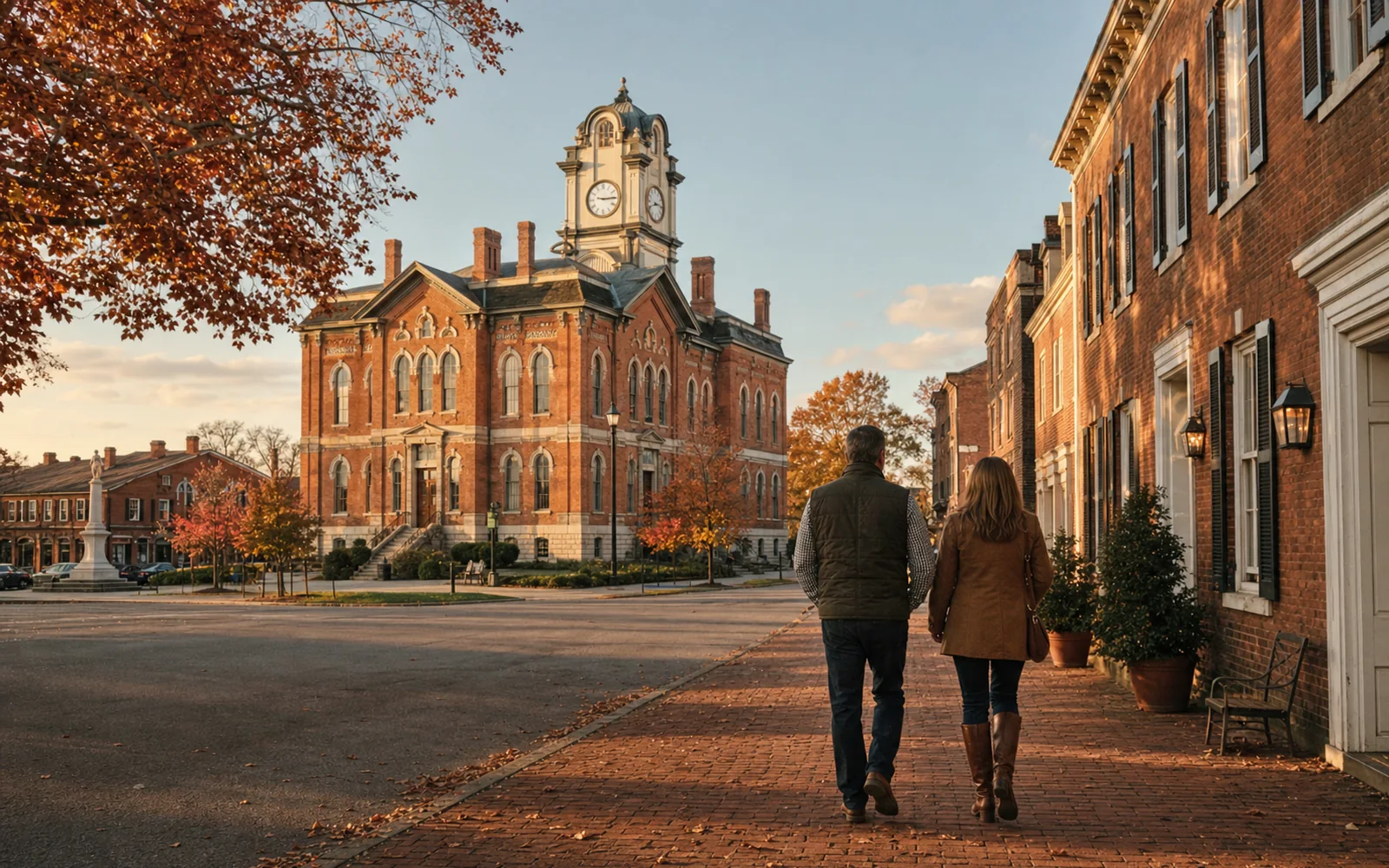
| 1892 | The present Nelson County Courthouse is built. |
| 1900 | J.C.W. Beckham, born at Wickland, becomes governor of Kentucky. |
| 1922 to 1923 | The Rowan heirs sell Federal Hill to the state; it is dedicated as “My Old Kentucky Home” on July 4, 1923. |
| 1927 | John Fitch is reburied under a new monument on Court Square. The tavern’s murals are uncovered. |
| 1928 | “My Old Kentucky Home” becomes Kentucky’s state song on March 19. |
| 1935 to 1936 | Heaven Hill and Willett distilleries are founded after Prohibition. |
| 1952 to 1953 | Nine paintings are stolen from St. Joseph on November 12; the FBI recovers them the next April. |
| 1959 | The Stephen Foster Story opens its first season. |
| 1983 | The Bardstown Historic District is listed on the National Register on February 17. |
| 1984 | The Oscar Getz Museum opens in Spalding Hall. |
| 1986 | The General Assembly adopts resolutions replacing a racial slur in the state song. |
| 1987 | The old jail closes as Kentucky’s oldest operating jail complex; it reopens as a B&B in 1989. |
| 1992 | The Kentucky Bourbon Festival begins as a tasting dinner (the festival counts 2026 as its 35th). |
| 1996 | Lightning sets off the Heaven Hill fire on November 7. The Civil War Museum is founded. |
| 1998 | Fire damages the Talbott Tavern on March 7; it reopens November 8, 1999. |
| 2001 | St. Joseph is named a minor basilica on July 18. Federal Hill appears on the Kentucky state quarter. |
| 2010 | Bill Sheckles is elected Bardstown’s first African American mayor. |
| 2012 | Rand McNally and USA Today name it the Most Beautiful Small Town in America. |
| 2017 | The African American Heritage Museum is founded in Union Church. |
| 2023 | Travel + Leisure ranks Bardstown No. 8 among America’s most beautiful small towns. |
| 2025 | Heaven Hill Springs Distillery opens September 4, bringing distilling back to the Heaven Hill campus. |
| 2026 | The Kentucky Bourbon Festival marks its 35th anniversary (September 10 to 13), and The Stephen Foster Story plays its 67th season. |
The frontier town, 1780 to 1830
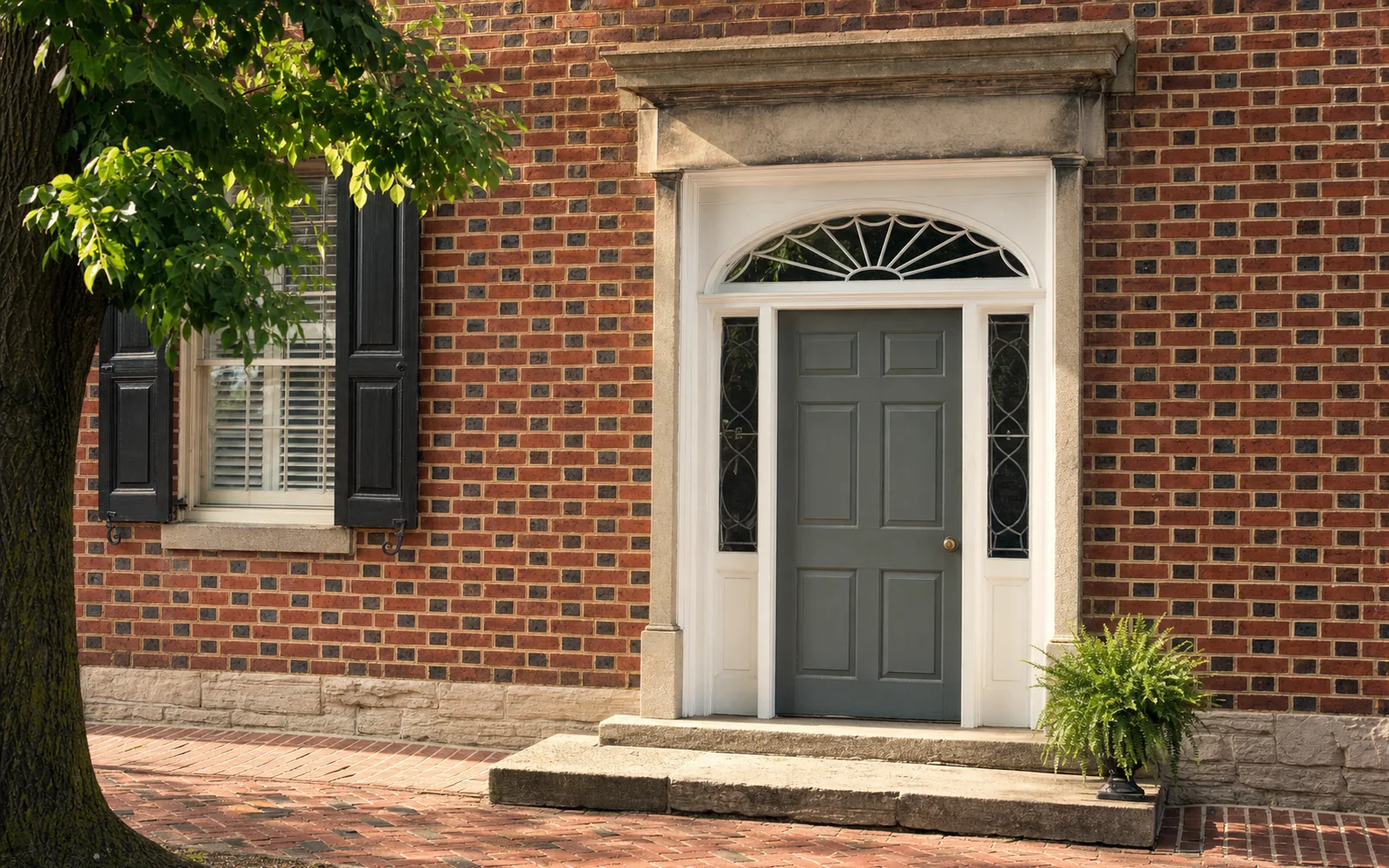
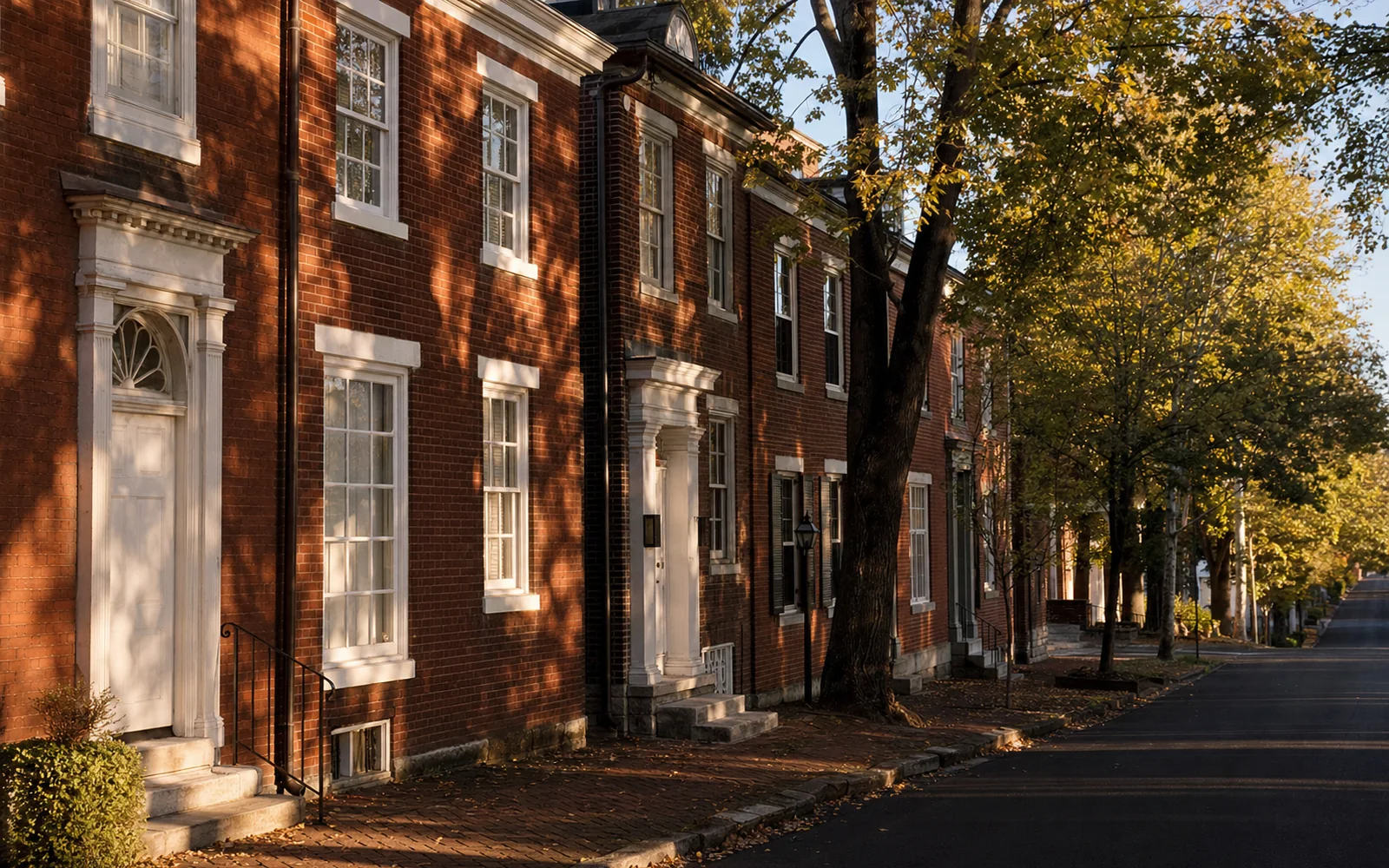
The first 50 years explain nearly everything you see downtown. Bardstown was a court town, and court towns attracted lawyers: John Rowan, Felix Grundy and Charles A. Wickliffe all belonged to a local debating society called the Pleiades. They built in brick and stone because they could afford to, and because they meant to stay. Our architecture guide shows how to read those Federal and Georgian facades.
The Catholic story runs alongside. Bishop Flaget’s diocese covered territory now split among ten modern states, and the cathedral, seminary and two sisterhoods founded within a few miles of the square gave the area its nickname, the Kentucky Holy Land.
Slavery, war and recovery, 1830 to 1900
Federal Hill peaked at 39 enslaved people in 1830, according to the state park’s own research on the enslaved, and the town’s prosperity rested on that labor. In 1862 the war arrived in person, as Bragg’s Confederates held the town and Buell’s 55,000 Union troops closed in on the way to Perryville; the Battle of Perryville article traces the three roads Buell used. After the war, freed Black congregations took over Union Church, and men born enslaved here, Daniel Rudd and Alexander Walters, went on to national leadership. The Black history in Bardstown page follows those threads.
Tourism and bourbon, 1900 to today
The 20th century turned history into a draw. The state bought Federal Hill in 1922, the song became official in 1928, and the outdoor musical opened in 1959. Bourbon went from a local industry to the whole identity, with the festival, the Kentucky Bourbon Trail and a wave of new distilleries; our history of bourbon in Nelson County covers that arc.
Two dates you will hear told differently
Guides and plaques in town often say Louis-Philippe visited on October 17, 1797, and stayed long enough to leave paintings and murals behind. His own published diary, analyzed in a 1981 Filson Club article, puts him in town for just two days in May (May 18 to 21). The Kentucky Bourbon Festival’s founding is dated to both 1991 and 1992 depending on who is counting; the festival’s own numbering points to 1992.
Where to see the timeline in person
Nearly every row above has a building you can visit. Start at the Bardstown Visitor Center on Court Square, walk the downtown core in a morning, and drive a mile east for Federal Hill. For the people behind the dates, see notable people from Bardstown.